Wolf Cut vs Butterfly Cut: Which One Suits You?
Wolf cut vs butterfly cut: how the two layered cuts differ in shape, length and upkeep, which suits your hair type and face shape, and what to tell your stylist.
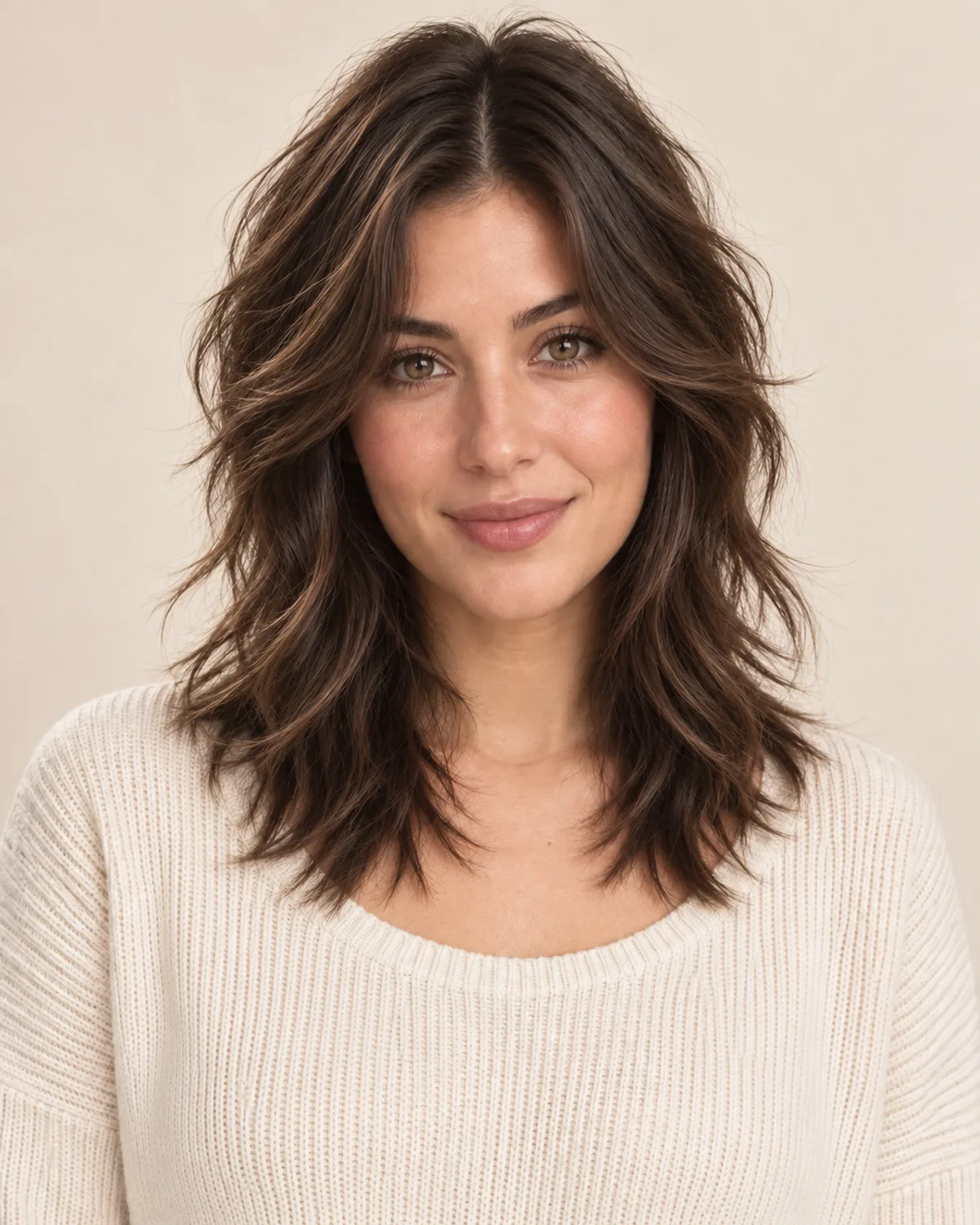

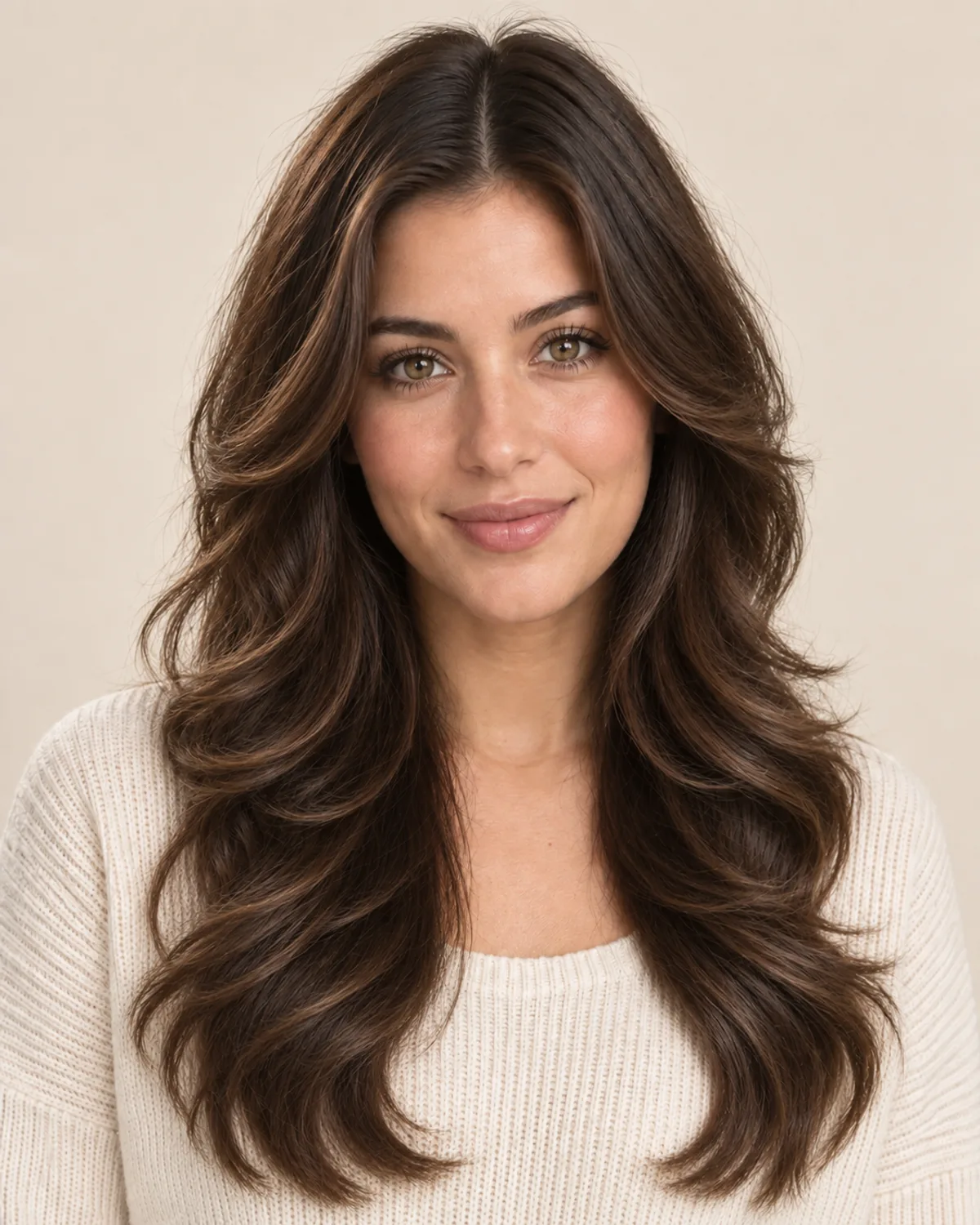
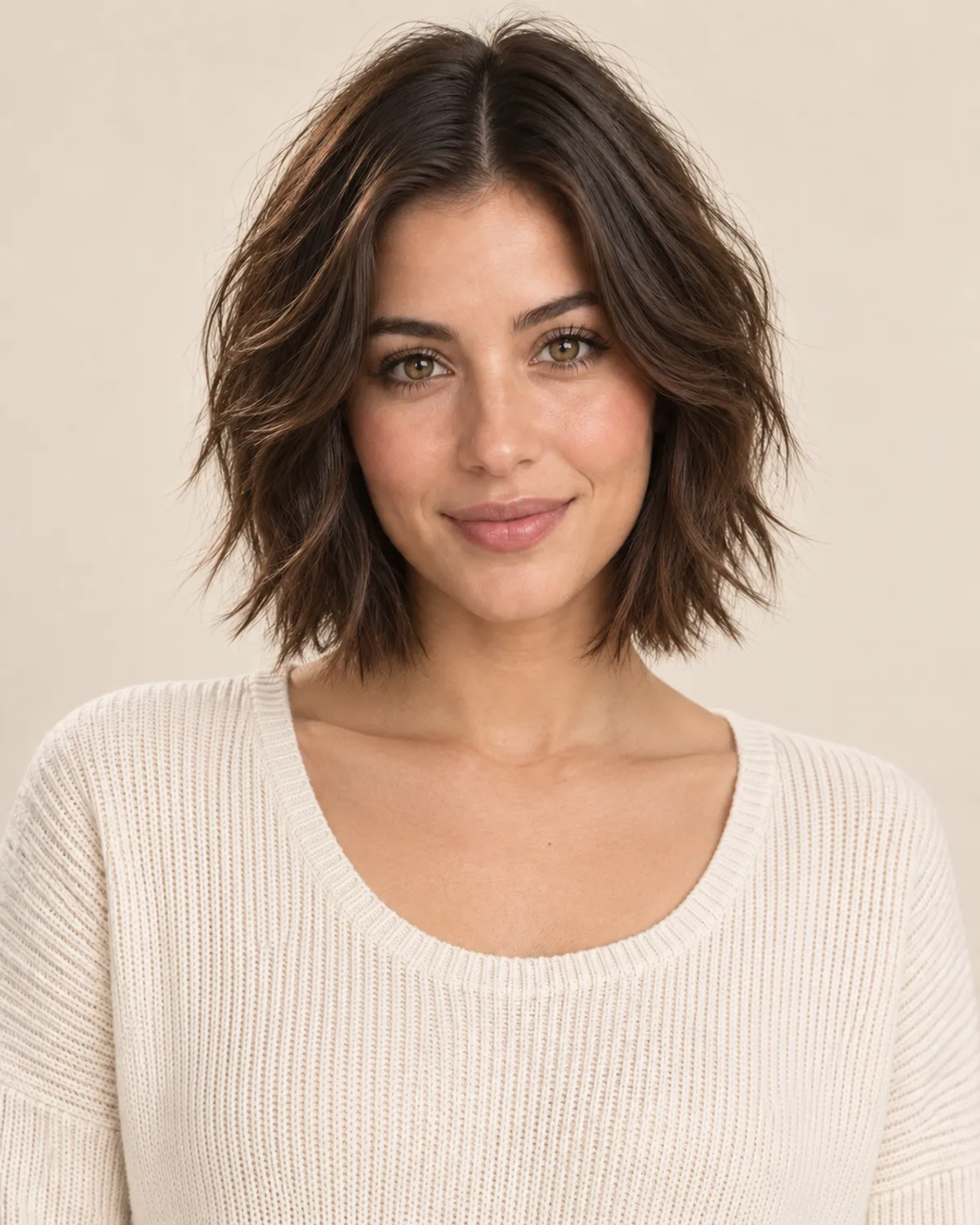
The wolf cut and the butterfly cut are both layered, both frame the face and both fill every hair feed, so they are easy to mix up. They are built very differently, though. The difference between a wolf cut and a butterfly cut comes down to where the short layers go and how much length you keep: one is shaggy and undone, the other long and polished. Here is how each cut is made, a side-by-side comparison on the same face, which one suits your hair and face shape, and exactly what to say at the salon.
What is a wolf cut?
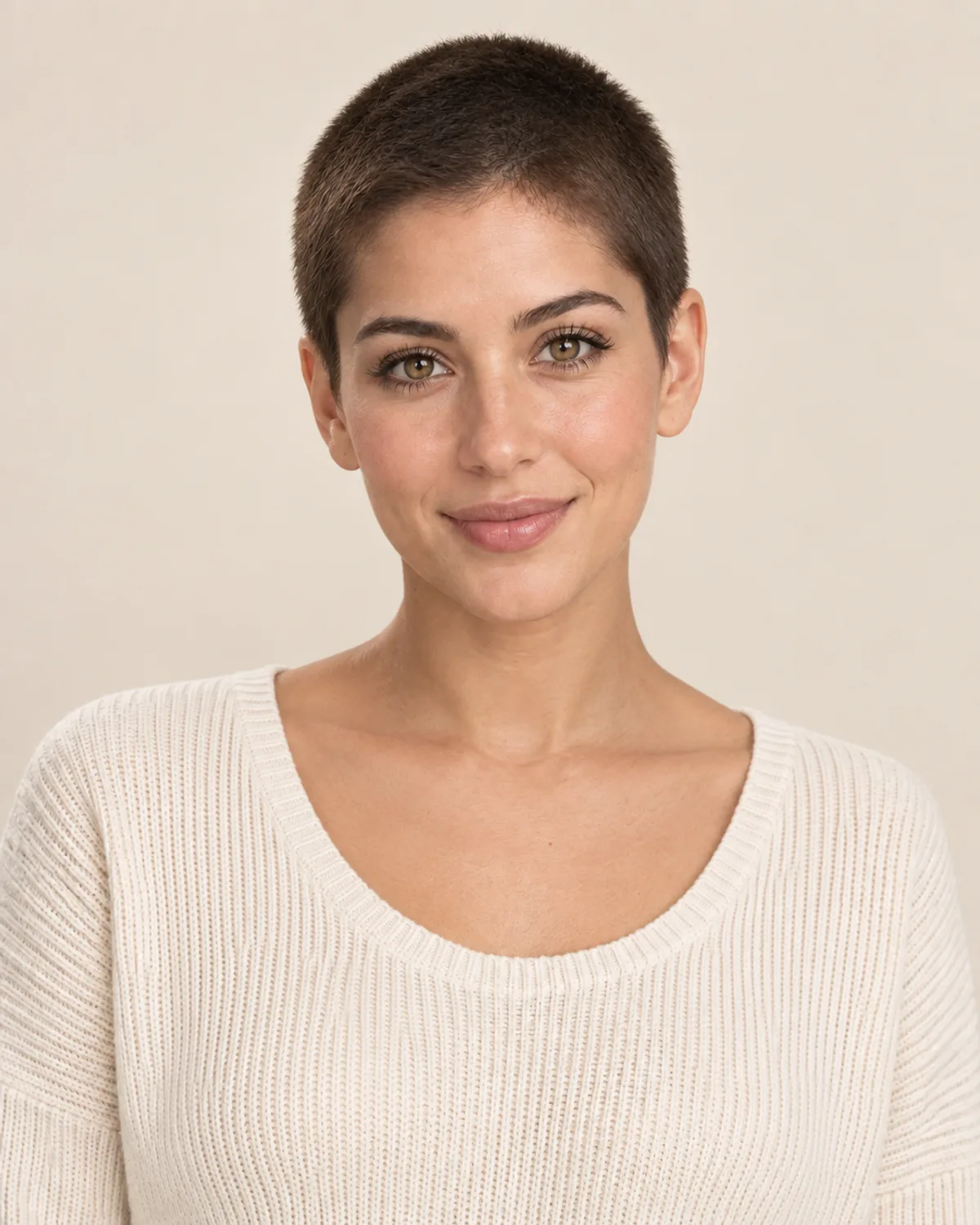
A wolf cut is a cross between a shag and a mullet. From the shag it takes short, choppy layers all over the head. From the mullet it takes its outline: shorter and fuller on top and at the sides, with longer, wispy pieces left at the back and the nape. Most wolf cuts come with curtain bangs or choppy bangs that blend into the face-framing layers.
The whole cut is about texture. Stylists usually build it with a razor or by point-cutting the ends, so the layers look piecey rather than blunt, and they take weight out of the sides so the volume sits up at the crown. It comes in three rough lengths:
- Short wolf cut ends around the jaw and sits close to a short shag.
- Classic wolf cut ends around the shoulders. This is the version most people picture.
- Soft or long wolf cut keeps length past the shoulders, with the choppy layers mostly on top and around the face.
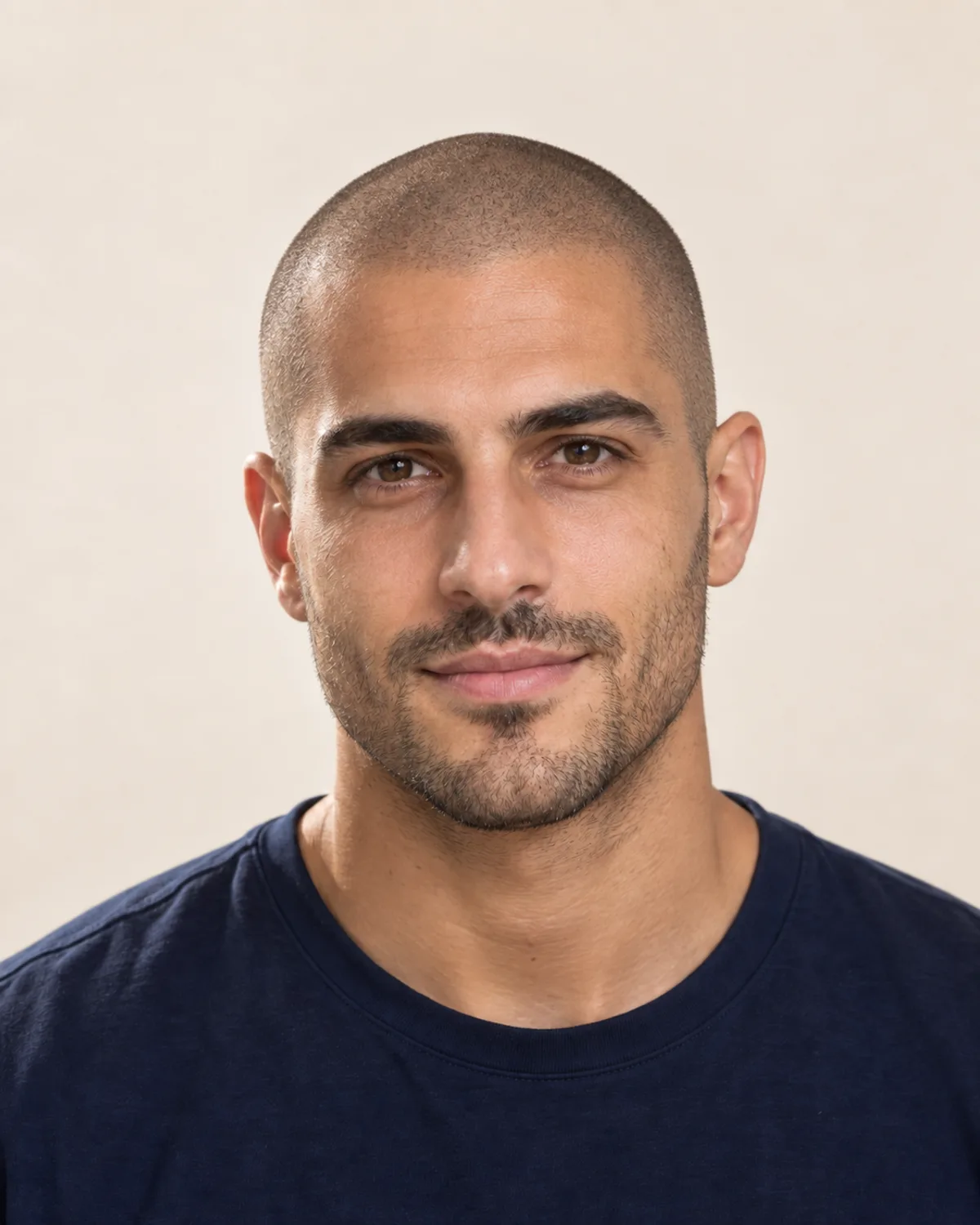
It is one of the few trend cuts that works just as well on men, usually on medium-length hair with the bangs falling onto the forehead. You will see one on Kai further down.
Wolf cut
Choppy layers, lift at the crown
Short shag
One parent: layers all over

Modern mullet
The other: length at the back
What is a butterfly cut?
A butterfly cut is a long layered cut in two tiers. Short layers start around the cheekbones or the chin and frame the face; long layers underneath keep the length, often well past the shoulders. Blown out, the short layers flip away from the face like a pair of wings, which is where the name comes from. From the front it can look like a shorter, bouncy layered cut; from the back, all the length is still there.
The look borrows from the big, glossy blowouts of the 90s: smooth hair, lift at the root and ends that roll under or flick out. The layers are blended rather than choppy, so the finish is polished, not piecey.
Because the outline barely changes, the butterfly cut is the go-to for anyone who wants movement and a fresh shape without losing length. It does need length to work: at least shoulder-length hair, ideally past the collarbones, so there is a clear contrast between the short and the long layers.
Butterfly cut
Short layers from the cheekbones, length kept
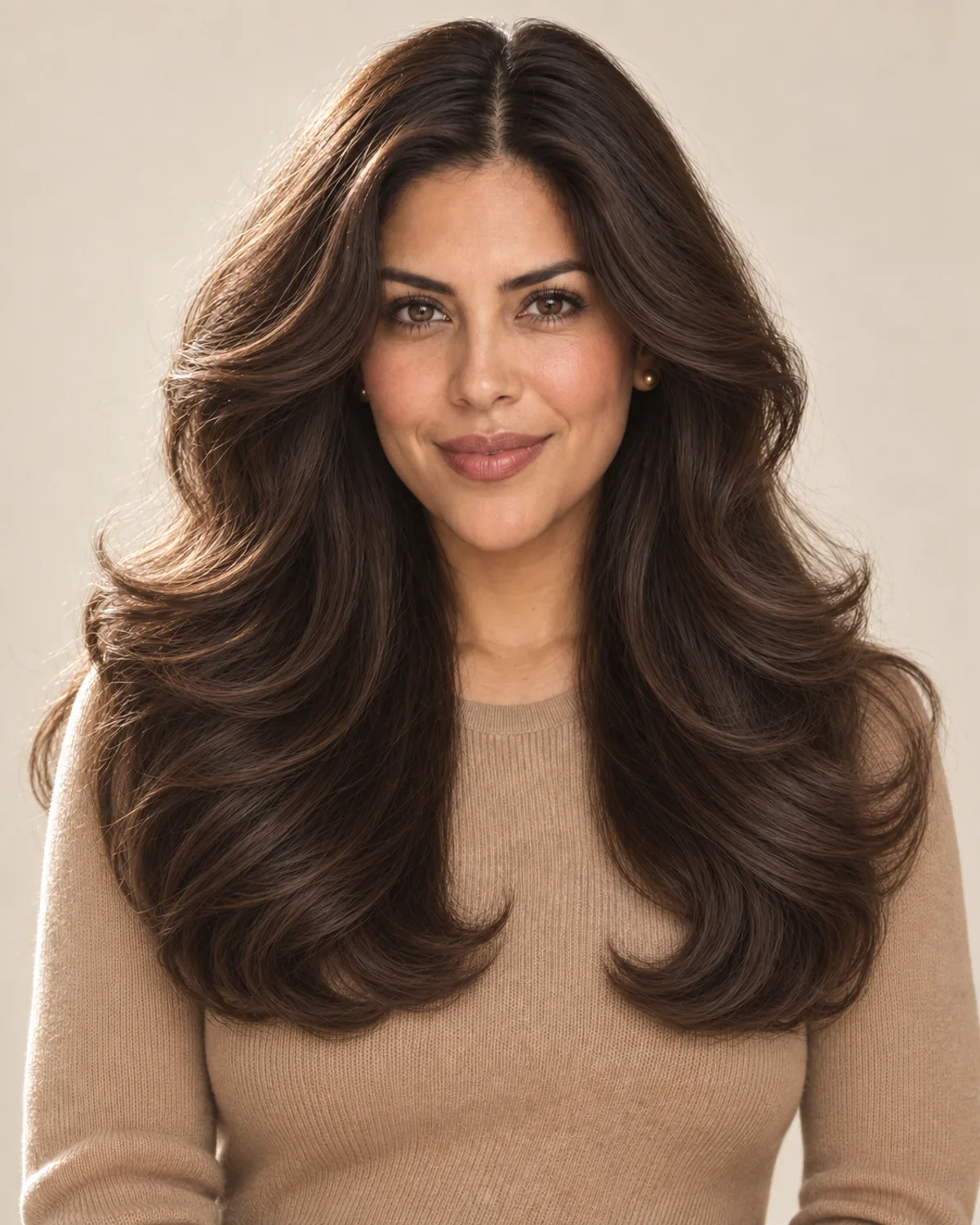
90s blowout
The bouncy finish it borrows
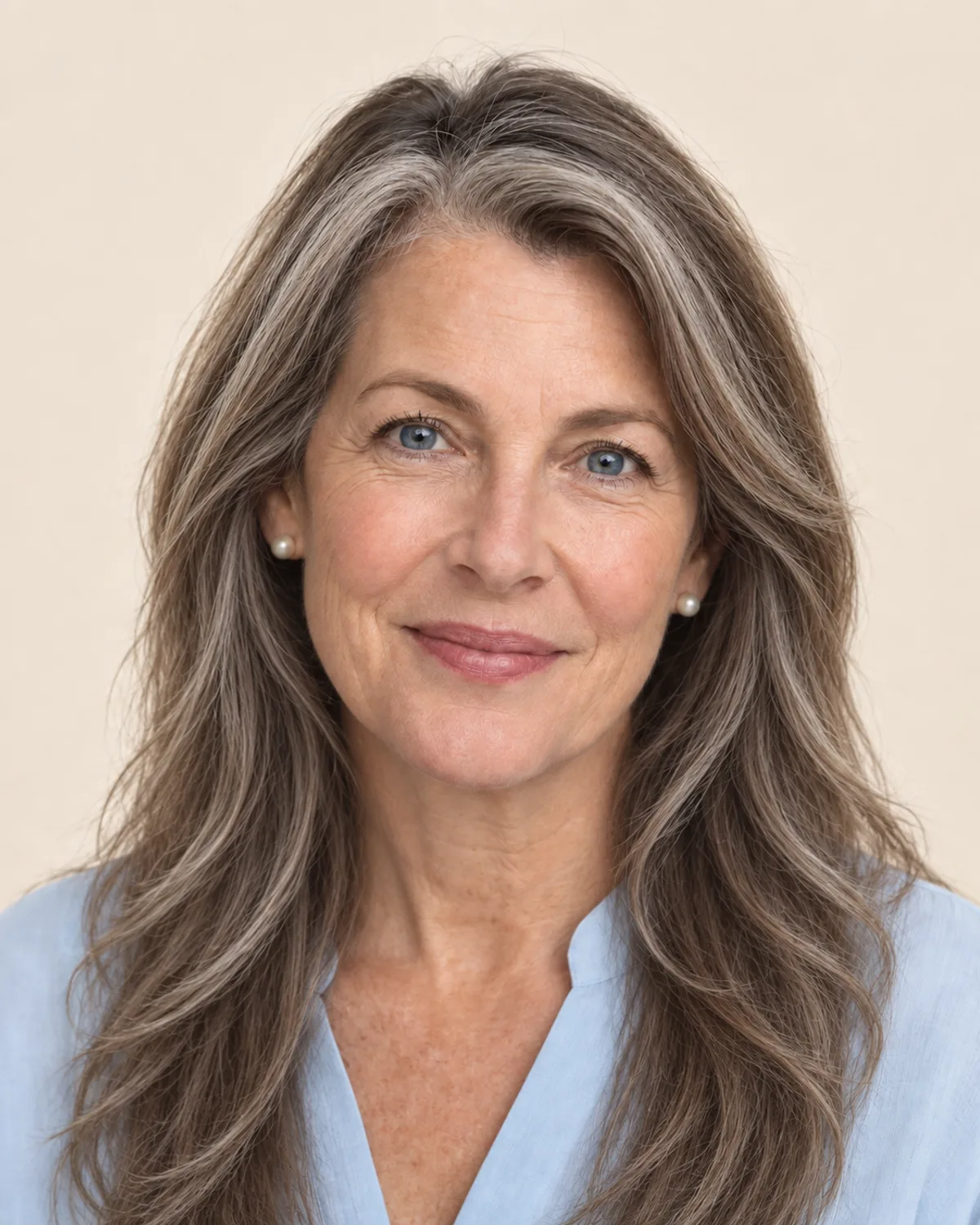
Long face-framing layers
The softer, everyday cousin
Wolf cut vs butterfly cut, side by side
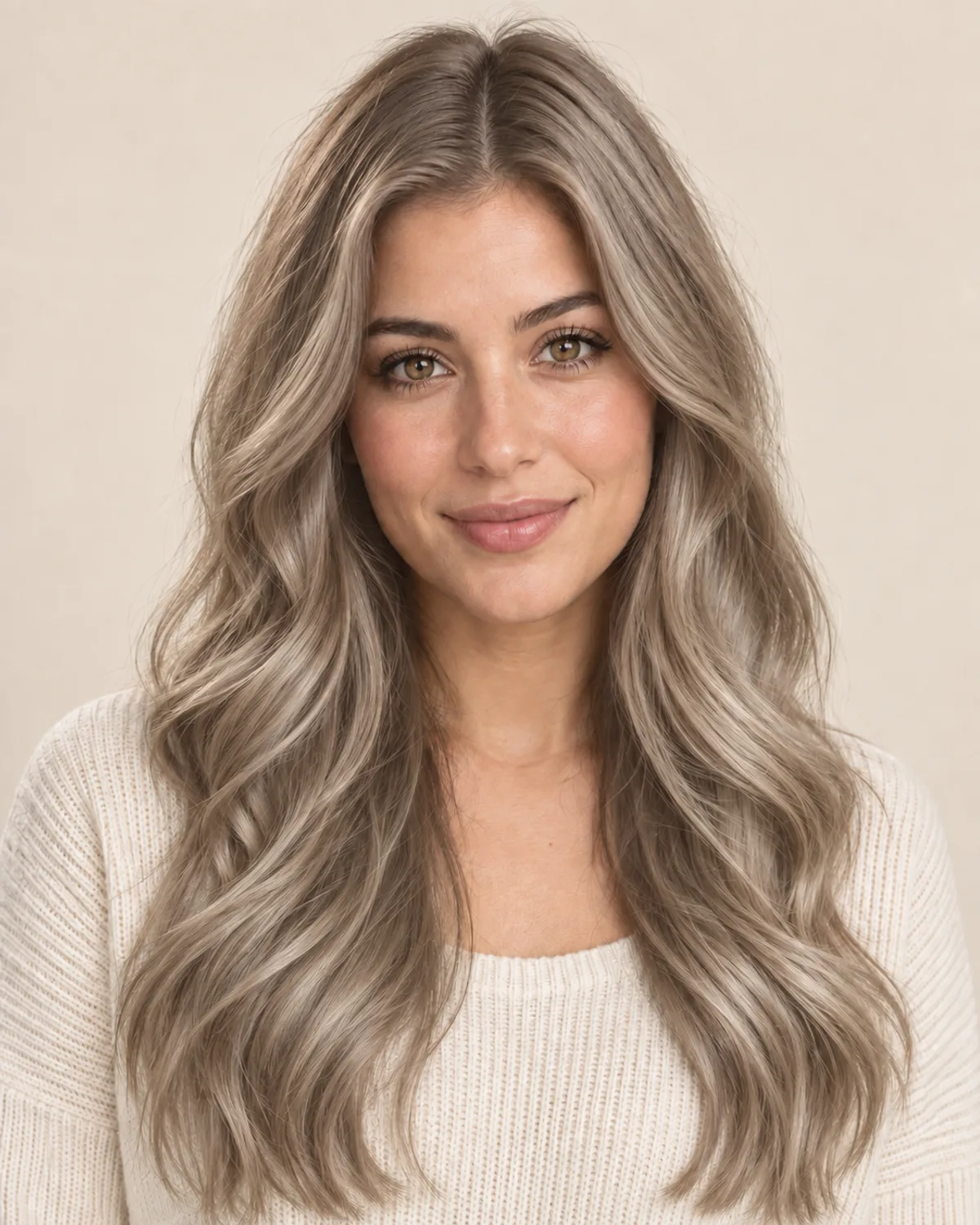
The quickest way to see the difference is on one face. Here is Maya's long, wavy hair as it is now, then the same hair as a wolf cut and as a butterfly cut, with the color and texture unchanged:
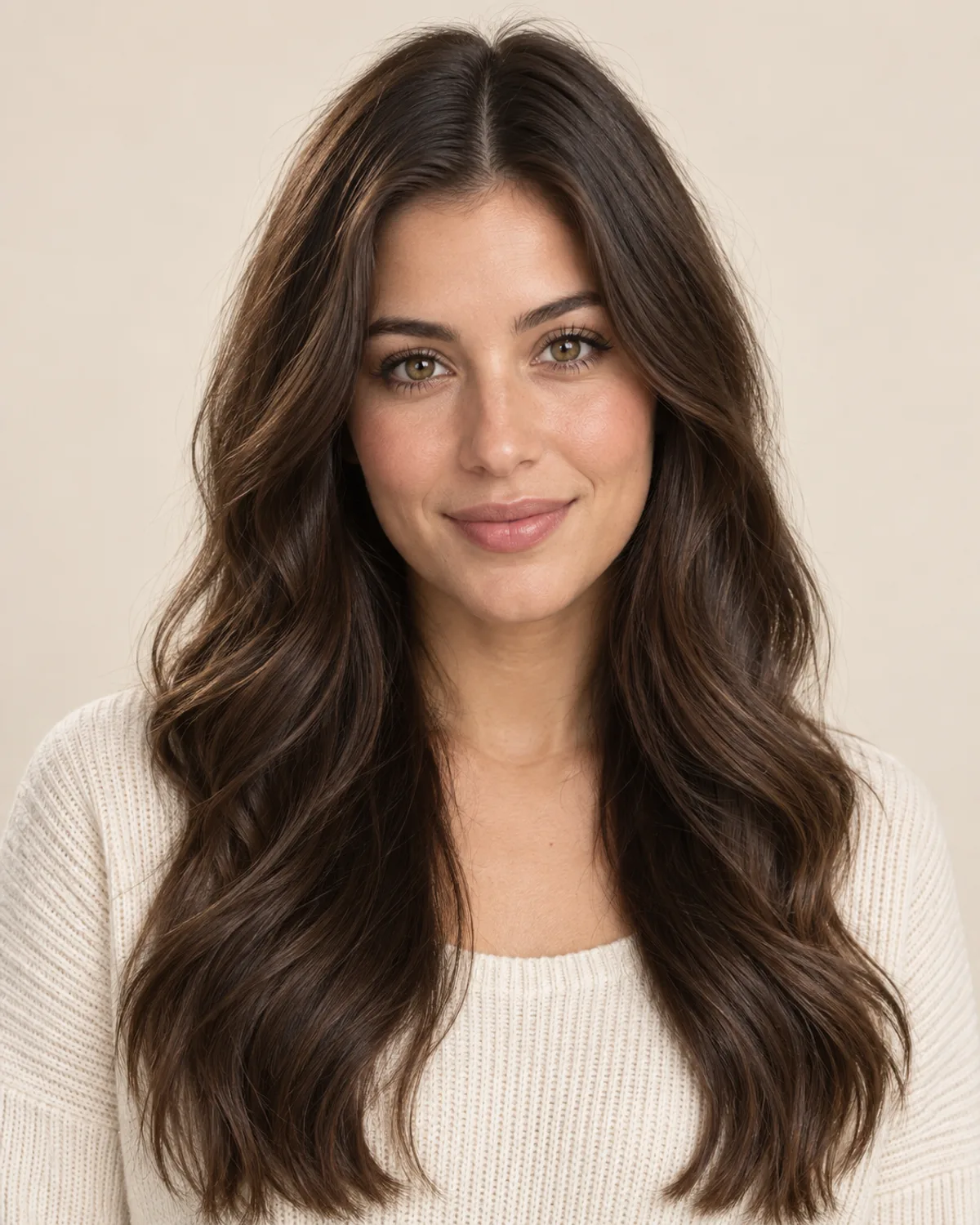
Her hair now
Long waves, few layers
Wolf cut
Just past the shoulders, shaggy
Butterfly cut
Length kept, blown-out face frame
The wolf cut takes several inches off and moves the weight up to the crown. The butterfly cut keeps nearly all of her length and puts the drama around the face. Almost every other difference follows from that:
| Wolf cut | Butterfly cut | |
|---|---|---|
| Shape | Shaggy and choppy: full at the crown, thinner and wispy toward the ends | Smooth and rounded: short layers swoop away from the face, long layers underneath |
| Length kept | Usually jaw to shoulder length; soft versions keep more at the back | Nearly all of it; only the face-framing layers are short |
| Texture it suits | Wavy, curly and thick hair; straight hair with texture spray | Straight to wavy, medium to thick hair; fine hair with fewer layers |
| Face shapes | Oval, heart and square; round and long faces with tweaks | Almost any; the easier pick for round and long faces |
| Styling time | A few minutes: product, scrunch, air-dry or diffuse | 15–30 minutes with a round brush or hot brush for the full swoop |
| Grow-out | Slow: short crown layers take many months to catch up | Easy: the layers simply grow into long layers |
| Upkeep | Trim every 6–8 weeks to keep the shape | Trim every 8–12 weeks, with face-framing touch-ups in between |
| Vibe | Undone, a little rock and roll | Glossy, bouncy, 90s glamour |
Butterfly vs wolf cut for your hair type
Texture decides more than the trend does. The same cut can look effortless on one head and flat on another, so start with the hair you actually have.
Wavy hair
The easy case: both cuts work. A wolf cut lets your natural wave do the styling, because the layers release the bend and the choppy ends look intentional. A butterfly cut on wavy hair can be blown smooth for the full effect, or air-dried for a softer, beachy version of the same shape.
Curly hair
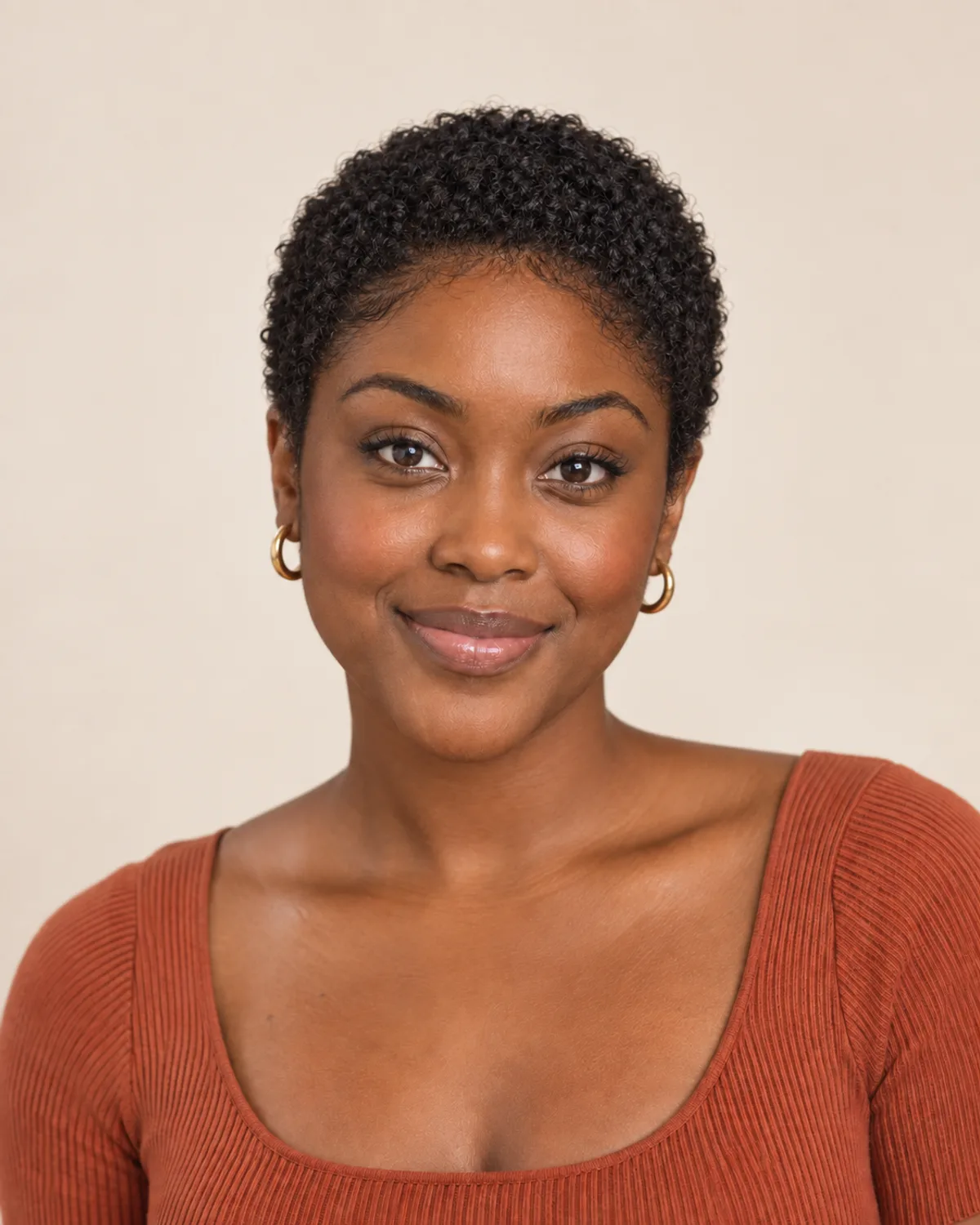
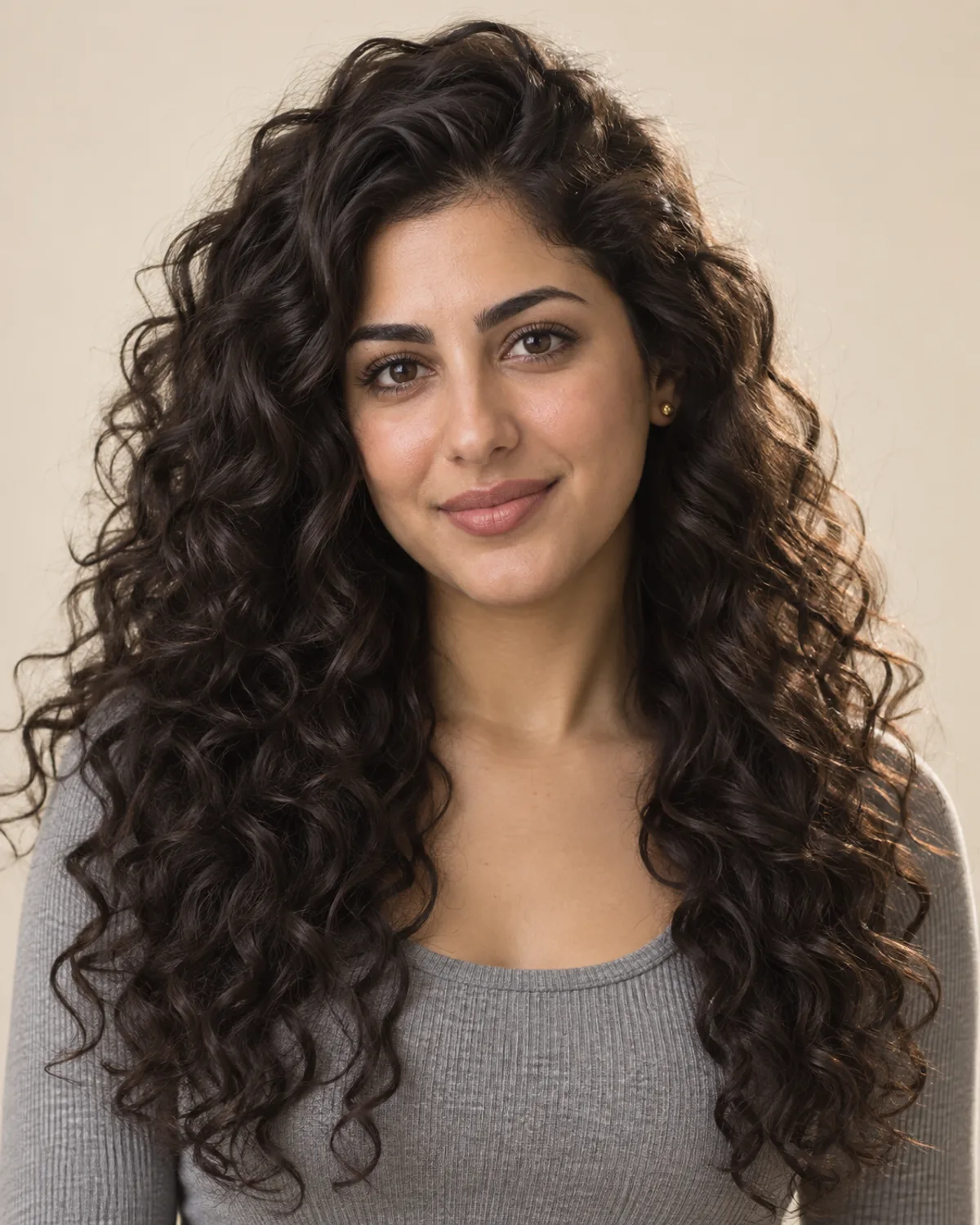
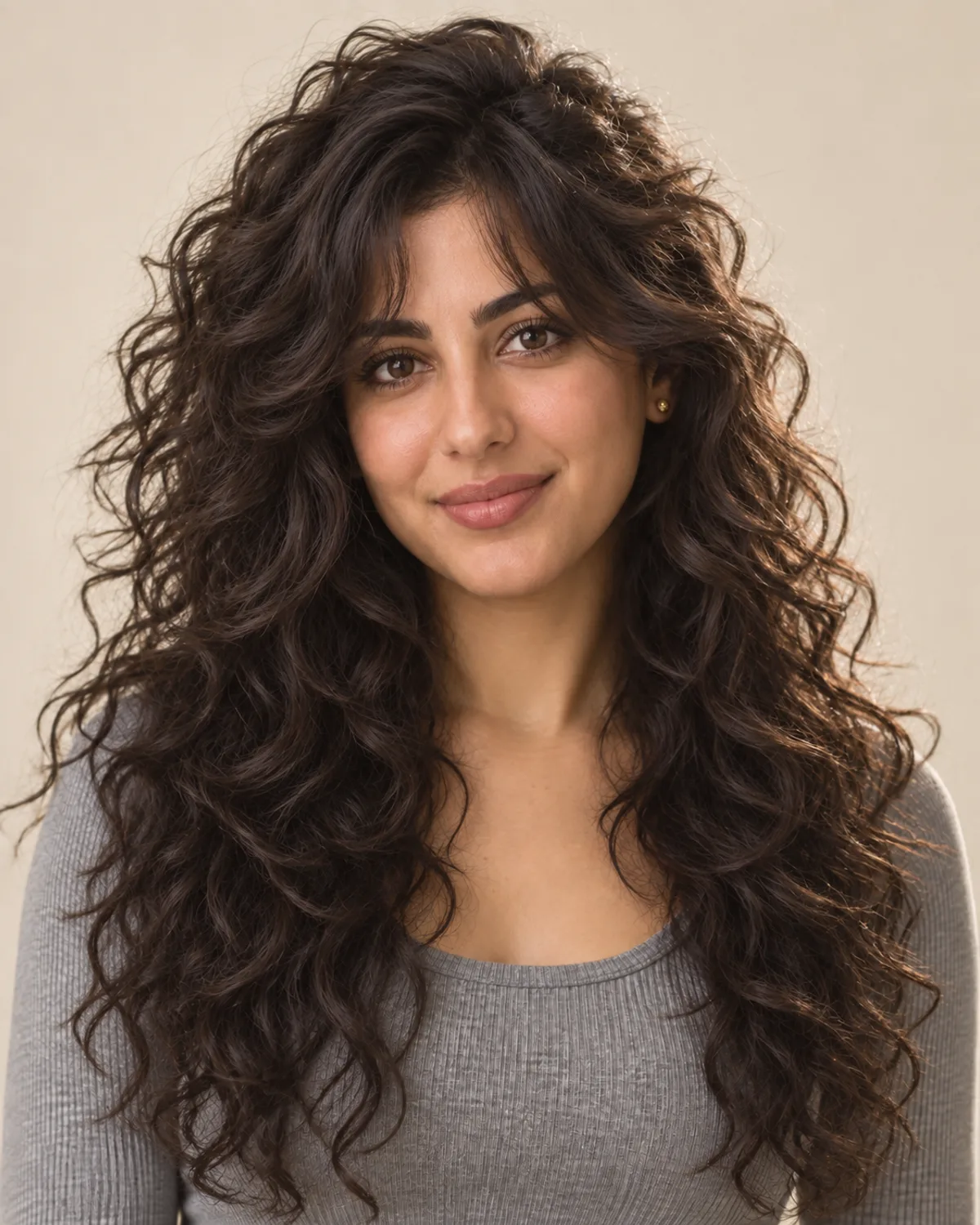
Lean toward a wolf cut, or its longer cousin, the long shag. Short layers take weight off curls so they spring up and gain volume at the crown instead of spreading into a triangle. Ask for a dry cut, curl by curl, because curls shrink: a layer cut at the cheekbones while wet can spring up several inches shorter. A butterfly cut works on curls too, but its signature swoop comes from a blowout, which means straightening the curl pattern every time you want the full look.
Straight hair
Straight hair shows layers clearly, which helps both cuts. The butterfly cut is the natural choice: the layers read beautifully and a round brush gives the swoop. A wolf cut on straight hair looks sharp and piecey, but it needs texture spray or a quick bend with a flat iron most days, or it can collapse into a flat mullet.

Fine or thin hair
Lean butterfly, with fewer and longer layers. It keeps weight at the ends so the hair still looks full, while the face-framing layers add lift at the front. A full wolf cut removes a lot of bulk, which can leave fine hair looking see-through at the ends. If you love the look, ask for a soft wolf cut with blended layers and keep the length below the shoulders.
Thick hair
Either works, and both take out bulk. A wolf cut removes weight from the sides so thick hair stops looking like a triangle; a butterfly cut gives heavy, long hair movement and bounce without losing length. Ask your stylist to remove weight from inside the cut, so the layers lie flat instead of puffing out.
Wolf vs butterfly cut for your face shape
Both cuts frame the face, so both can be tuned to almost any shape. What changes is where the volume and the shortest layer sit:
| Face shape | Wolf cut | Butterfly cut |
|---|---|---|
| Oval | Any length, with or without bangs | Any version |
| Round | Keep the lift at the crown and the sides close; long curtain bangs that fall past the cheekbones | A strong pick: start the face-framing below the chin so the lines run long |
| Square | Wispy ends soften the jaw; just avoid a cut that ends right at it | A strong pick: rounded layers curve around the jaw |
| Heart | A strong pick: curtain bangs balance the forehead and wispy ends add width at the jaw | Start the face-framing at the chin so the fullness lands low |
| Long | Go easy on crown volume; fuller bangs shorten the face | A strong pick: volume at the sides adds width |
Bangs are the other big lever. Curtain bangs are part of most wolf cuts and an optional extra on a butterfly cut. Because they part in the middle and sweep to the sides, they are one of the easiest bangs to wear and to grow out. Heavier, choppy bangs look bolder and suit an oval or long face best.
Wolf cut, butterfly cut, or in between?
You do not have to pick an extreme. The two cuts sit at opposite ends of the same layered family, and a good stylist can land anywhere between them:
- Soft wolf cut. Wolf-cut texture and curtain bangs, but longer layers and most of your length kept. A good first step if you are nervous.
- Long shag. Choppy layers and crown volume on long hair, without the mullet outline at the back, like Layla's above. It is especially good on curls.
- Textured butterfly. The same two-tier butterfly shape, point-cut for a piecier finish and worn air-dried with your natural wave instead of blown out.
- Long layers with curtain bangs. The gentlest option: face-framing and movement, no short crown layers at all.
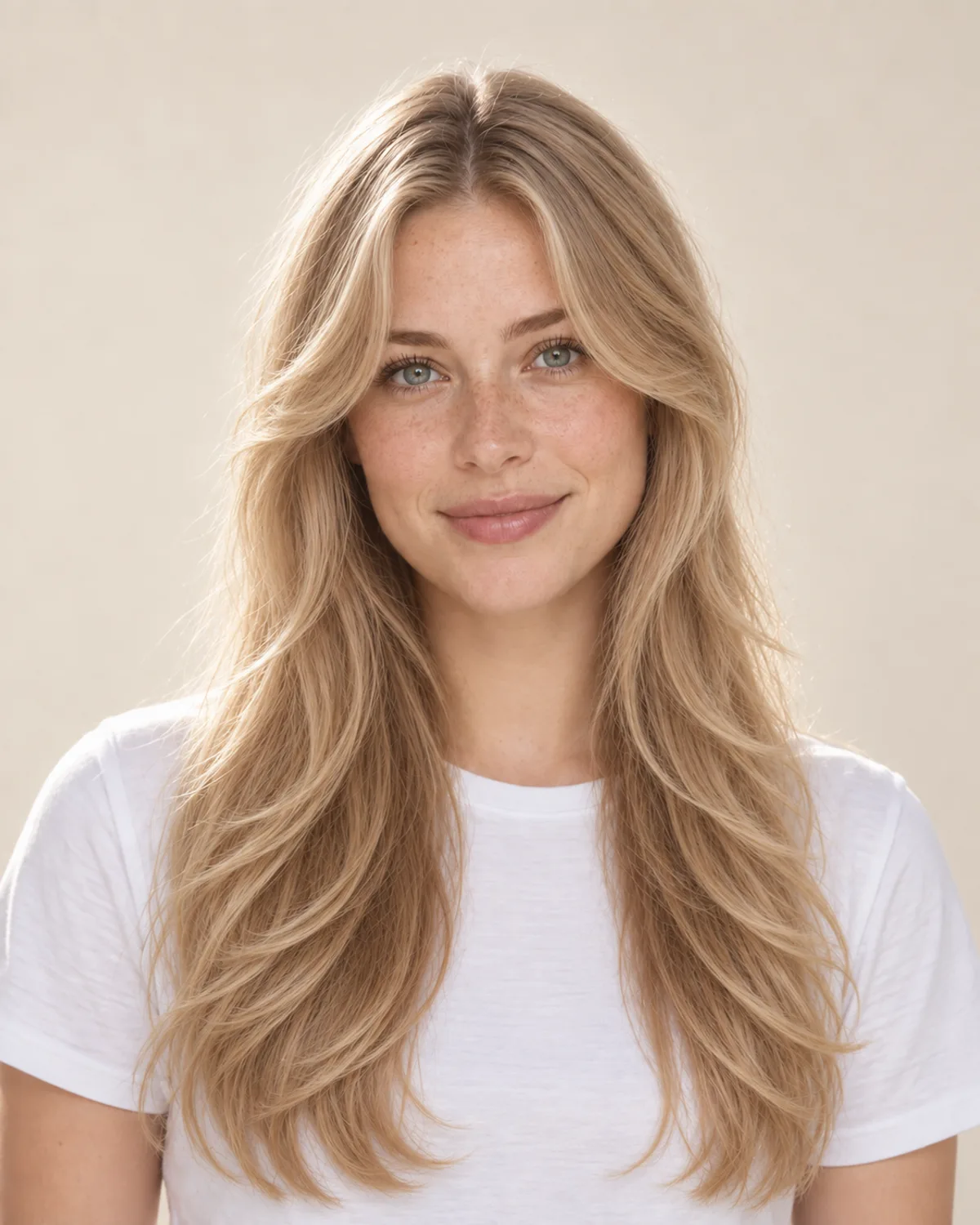
Long layers, curtain bangs
Face-framing, no short crown

Long layers
The gentlest first step
If you are torn, start with the butterfly cut. It keeps your length, and at your next appointment a stylist can shorten the top layers, add texture and take length off the back to turn it into a wolf cut. Going the other way means waiting for the short crown layers to grow. Hair grows roughly half an inch a month, so that can take a year or more.
Wolf cut and butterfly cut: what to ask for
Trend names mean different things in different salons, so do not stop at the name. Bring photos from the front, side and back, ideally of hair with a texture like yours, and describe the parts that matter.
Asking for a wolf cut
- "Short, choppy layers at the crown for volume, with texture all through."
- "Keep some length at the back and leave it wispy." Say how much of the mullet shape you want: a hint or an obvious one.
- "Curtain bangs that blend into the face-framing layers," or heavier, choppy bangs if you want a bolder look.
- "Point-cut or razor the ends so they look piecey." On curly or frizz-prone hair, ask whether scissors would be kinder than a razor.
Asking for a butterfly cut
- "Keep my length; only take off the ends."
- "Short face-framing layers starting at my cheekbones," or at the chin if you want a softer frame, "with long layers underneath."
- "Blend the layers so the ends stay full, not thin."
- "Show me how to blow-dry the front." The direction of the round brush is half the look.
Questions worth asking either way
- Where will the shortest layer fall, in inches? That decides how long the grow-out takes.
- How long will styling take on my hair, and what will I need to use?
- When should I come back for a trim?
Wolf cut vs butterfly: try both on a photo
A comparison table cannot tell you how a cut looks with your face, your jaw and your hair color. A photo gets you much closer. Upload a selfie to the AI hairstyle changer and try the wolf cut and the butterfly cut one after the other on the same picture; there is a men's wolf cut too. For the short end of the wolf-cut family, the short hair filter includes a short shag. If your hair is shorter now and you want to see the length a butterfly cut needs, the long hair filter adds long layers to your own photo, and the bangs filter lets you test curtain bangs on their own.
Treat the result as a preview, not a promise. It shows the shape and length on your face, but not how your texture will behave or how long you will spend with a round brush. Take your favorite to the salon as the start of the conversation.
Changing your color at the same time? Layers show off dimension, and face-framing highlights make butterfly layers look even bouncier; the highlights filter lets you see that too. Our guides to warm tone hair colors and cool tone hair colors help you pick the shade.