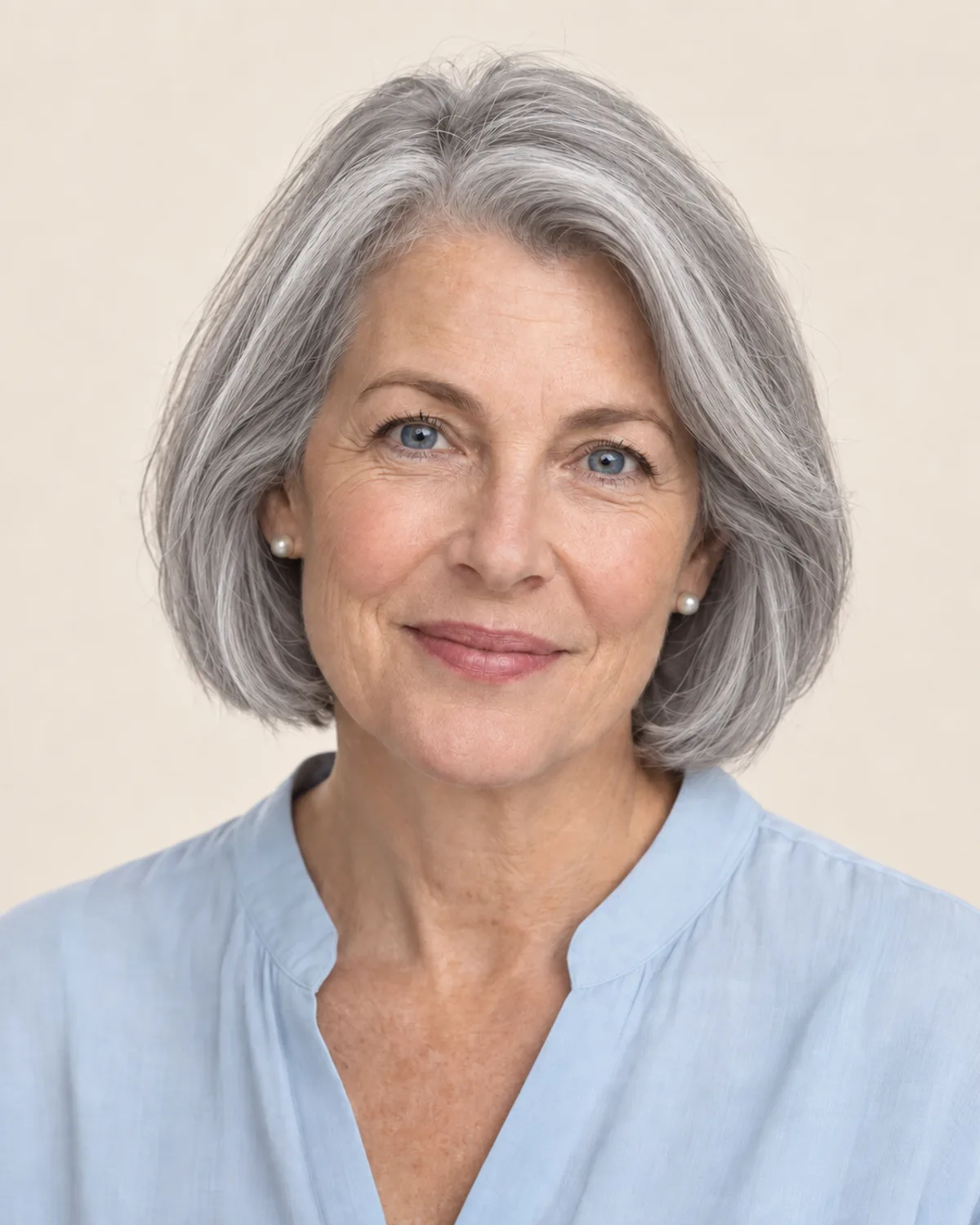
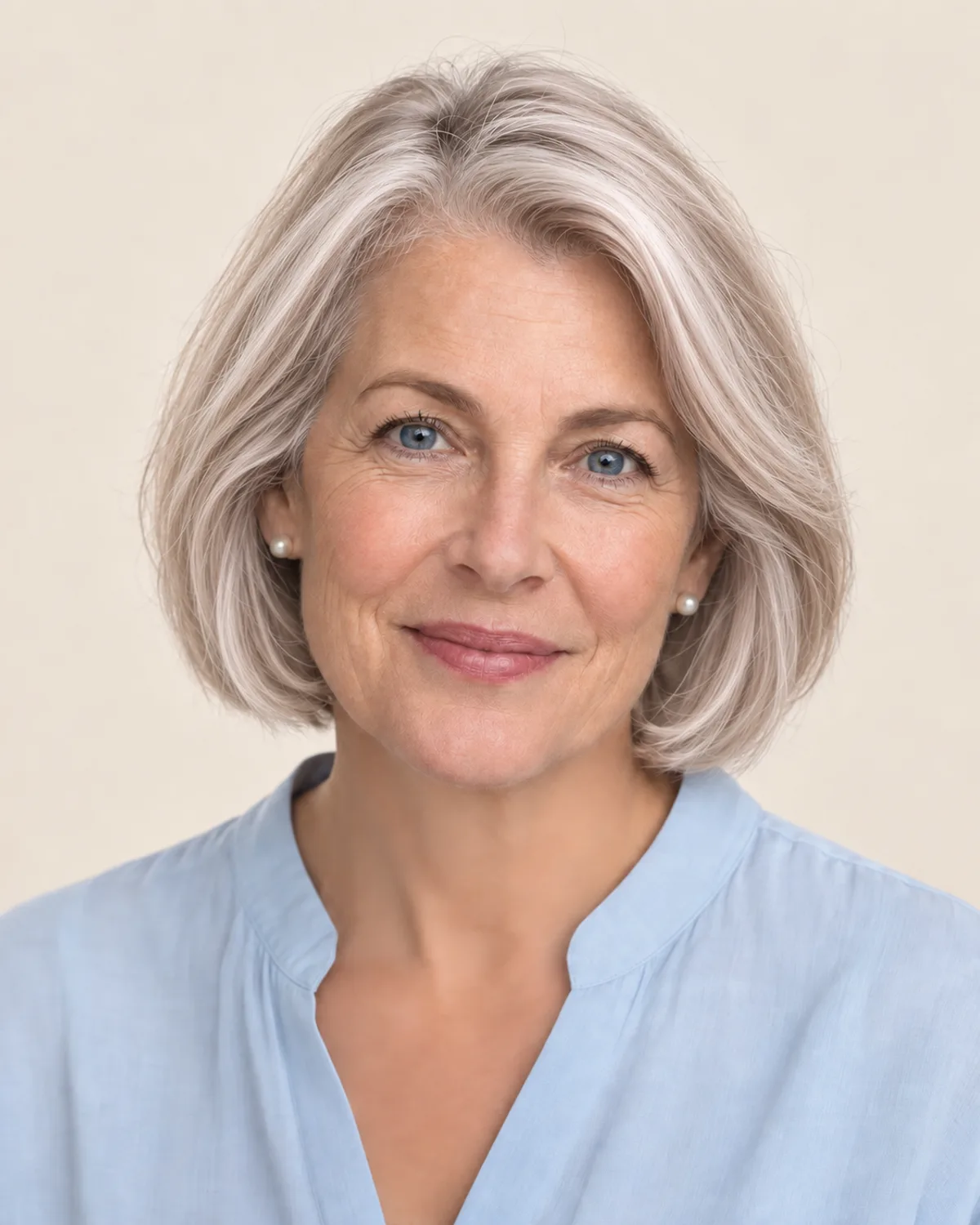
Warm Hair Colors for Warm Skin Tones: Best Shades
The best warm hair colors for warm skin tones — honey and strawberry blonde, caramel, chestnut, copper, auburn, rose gold — and how to spot a warm undertone.
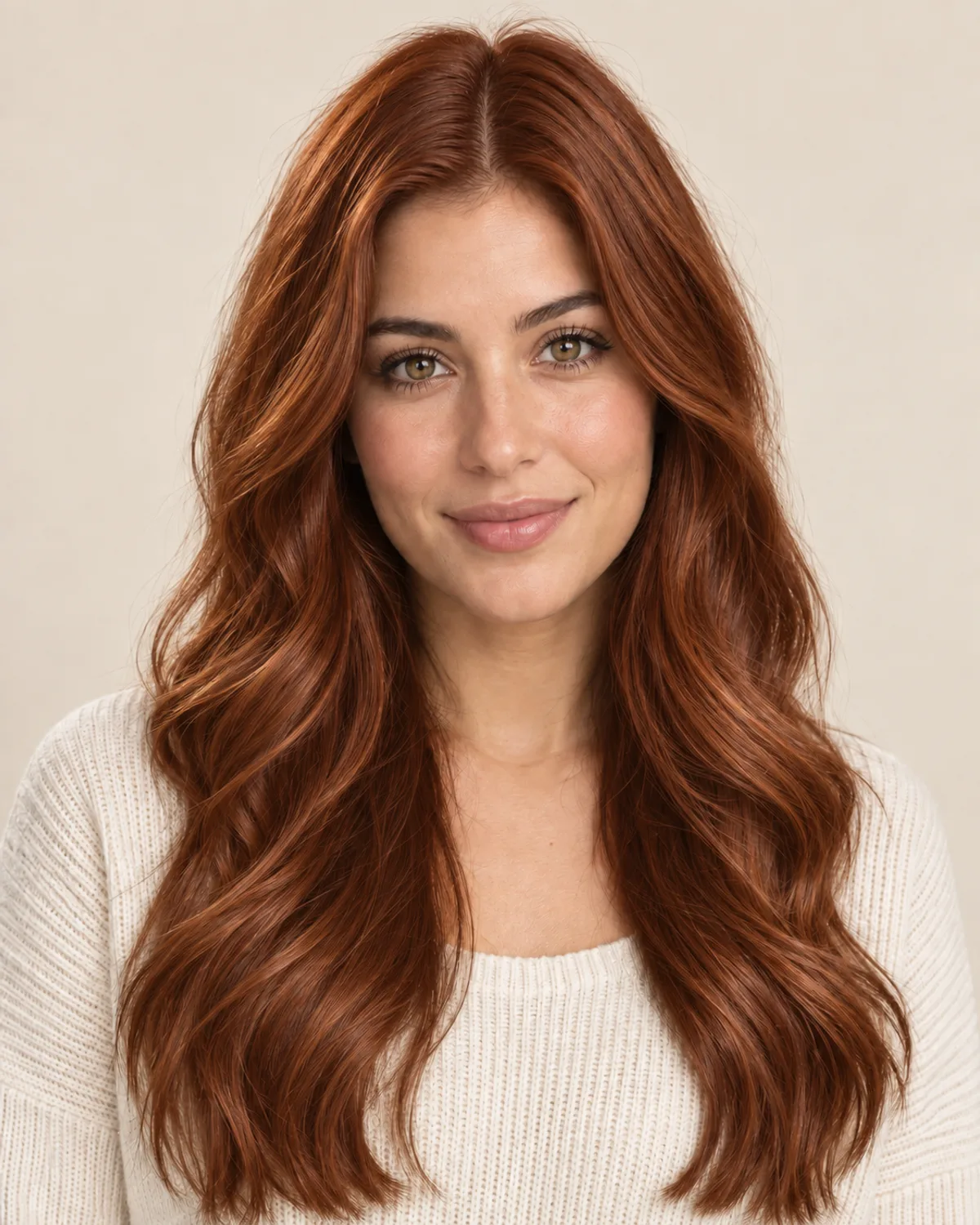
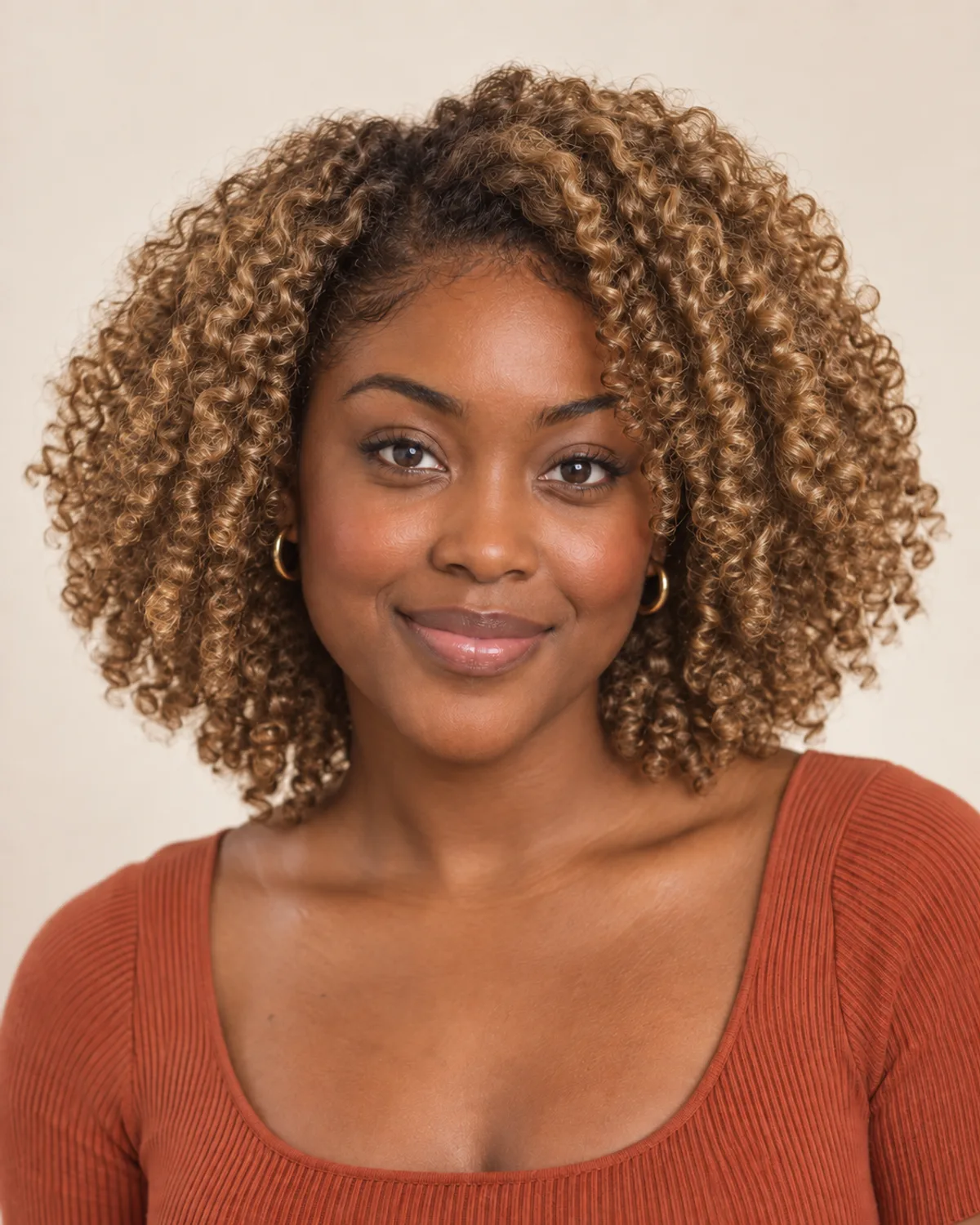
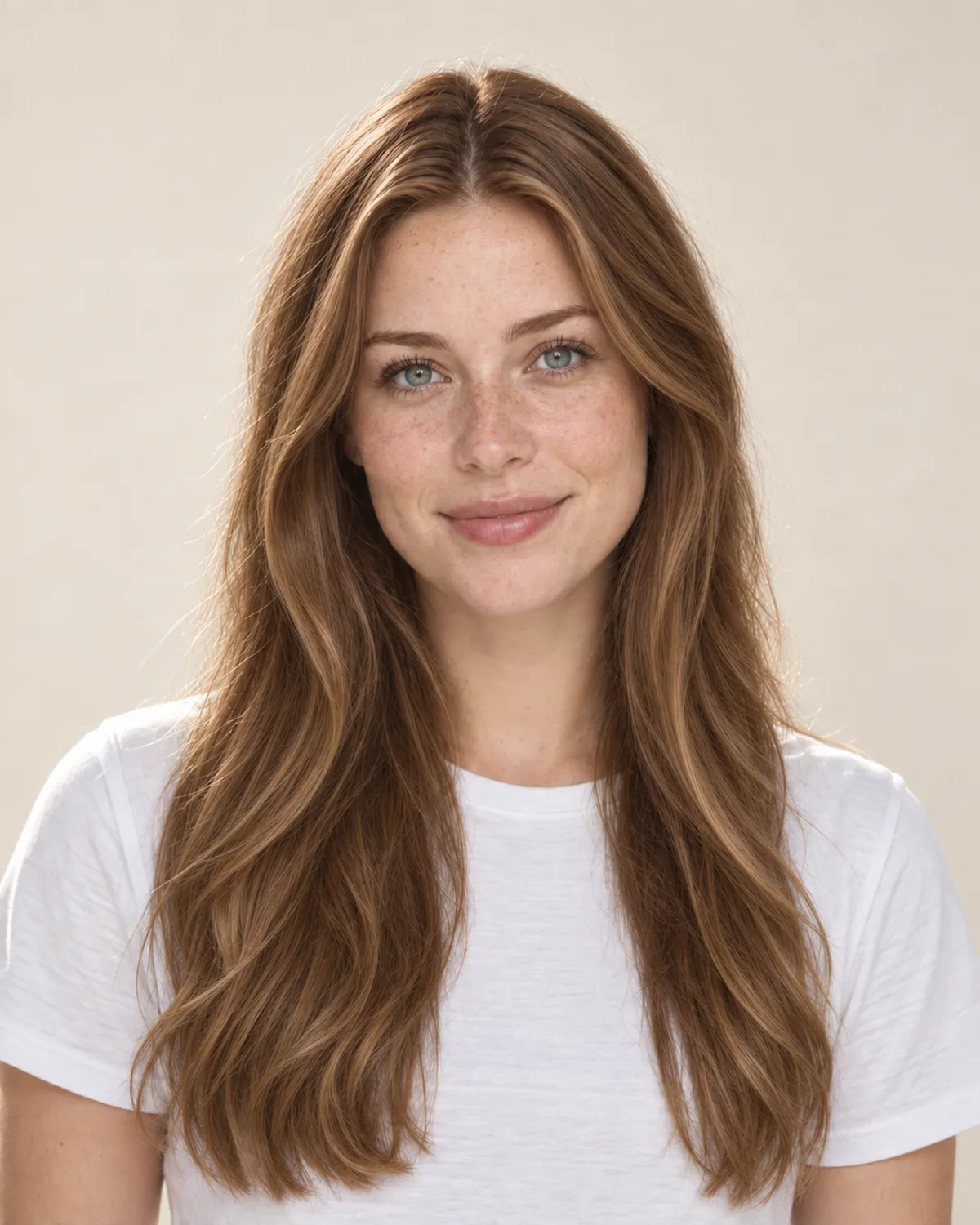
Warm tone hair colors are the shades that lean golden, coppery or red instead of ashy or blue. On warm skin the right one brings color back into your face, the way a few days of sun does; on the wrong undertone it can look orange or ruddy. Here is what makes a shade warm, how to check your undertone, and the warm hair colors for warm skin tones at every depth — each one shown on a face.
What makes a warm undertone hair color?
Every hair color has two parts. Its level is how light or dark it is, from 1 (black) to 10 (lightest blonde). Its tone is the color you see at that depth. A warm undertone hair color has a tone of gold, copper or red, or a blend: strawberry blonde is gold with a little copper, auburn is red on a brown base, and mahogany is a deep brown with a red-violet cast.
Warm shades also work with your natural pigment. Dark hair that is lightened passes through red, orange and gold on its way to pale yellow. A cool result means lifting past your target and toning all that warmth away; a warm result can stop at the target and keep some of it. That is why warm colors are often the gentler route to lighter hair, and why they grow out softly.
Neutral shades such as dirty blonde, champagne, light brown and soft black sit between the families and suit most people. Cool shades — ash, platinum, blue-black, burgundy — are the opposite family; we compare the two further down.
How to know if warm hair color suits you
Your undertone is the color under the surface of your skin. It is separate from how light or deep your skin is, and a tan does not change it: fair, olive and deep skin can all be warm. Check in daylight, with a bare face:
- White fabric test. Hold something plain white under your chin. Skin that looks golden, peachy or yellow beside it is warm; pink or rosy is cool; hard to call means neutral.
- Metal test. Gold and bronze jewelry make warm skin glow, while silver can look a little gray against it.
- Color test. Cream, camel, rust, olive and coral suit warm undertones; stark white and icy pastels tend to drain them.
- Foundation test. If golden or yellow-based foundations match your jaw better than pink ones, you are warm.
- Vein test. Greenish veins on the inner wrist point to warm, blue or purple to cool. It is the weakest check, especially on deep skin, so use it only as a tiebreaker.
Best hair colors for warm undertones
Pick the family that appeals to you, then the depth nearest your natural color. Within two or three levels, roots grow in softly; further than that means regular touch-ups.
Warm blondes
Honey, golden, strawberry and caramel blonde sit at roughly levels 7 to 8. Lightening brown hair passes through gold anyway, so these are the blondes that need the least bleaching: your colorist stops at the golden stage and tones it rich, instead of lifting to near-white and canceling every trace of yellow. Honey has an amber depth that suits medium and deep skin. Golden is the brightest. Strawberry blonde adds a hint of copper and is at its best on fair, peachy or freckled skin. Caramel blonde is the deepest, a bridge between light brown and blonde.
Honey blonde
Amber-gold on deep skin and curls
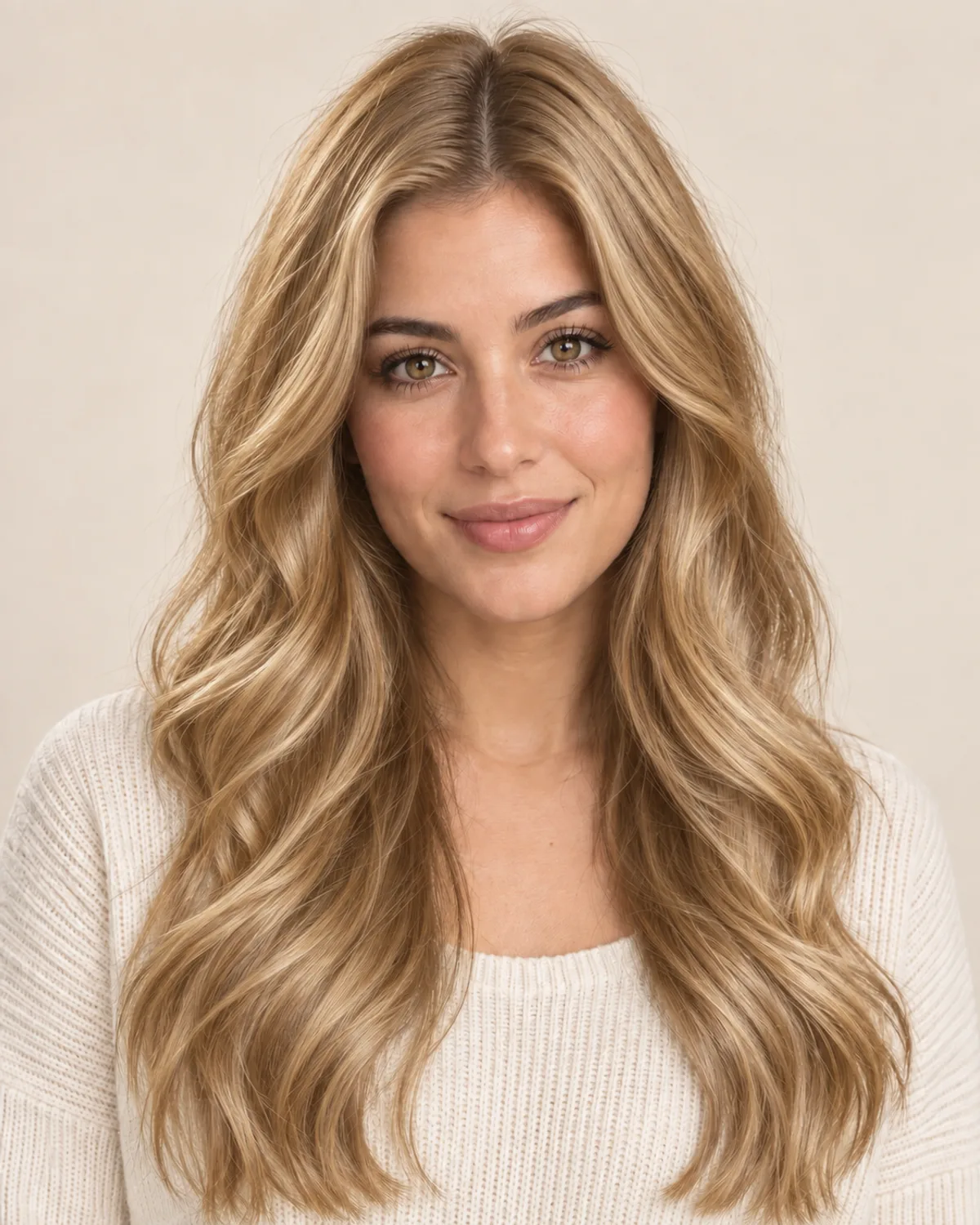
Golden blonde
Level 8, the sunniest warm blonde
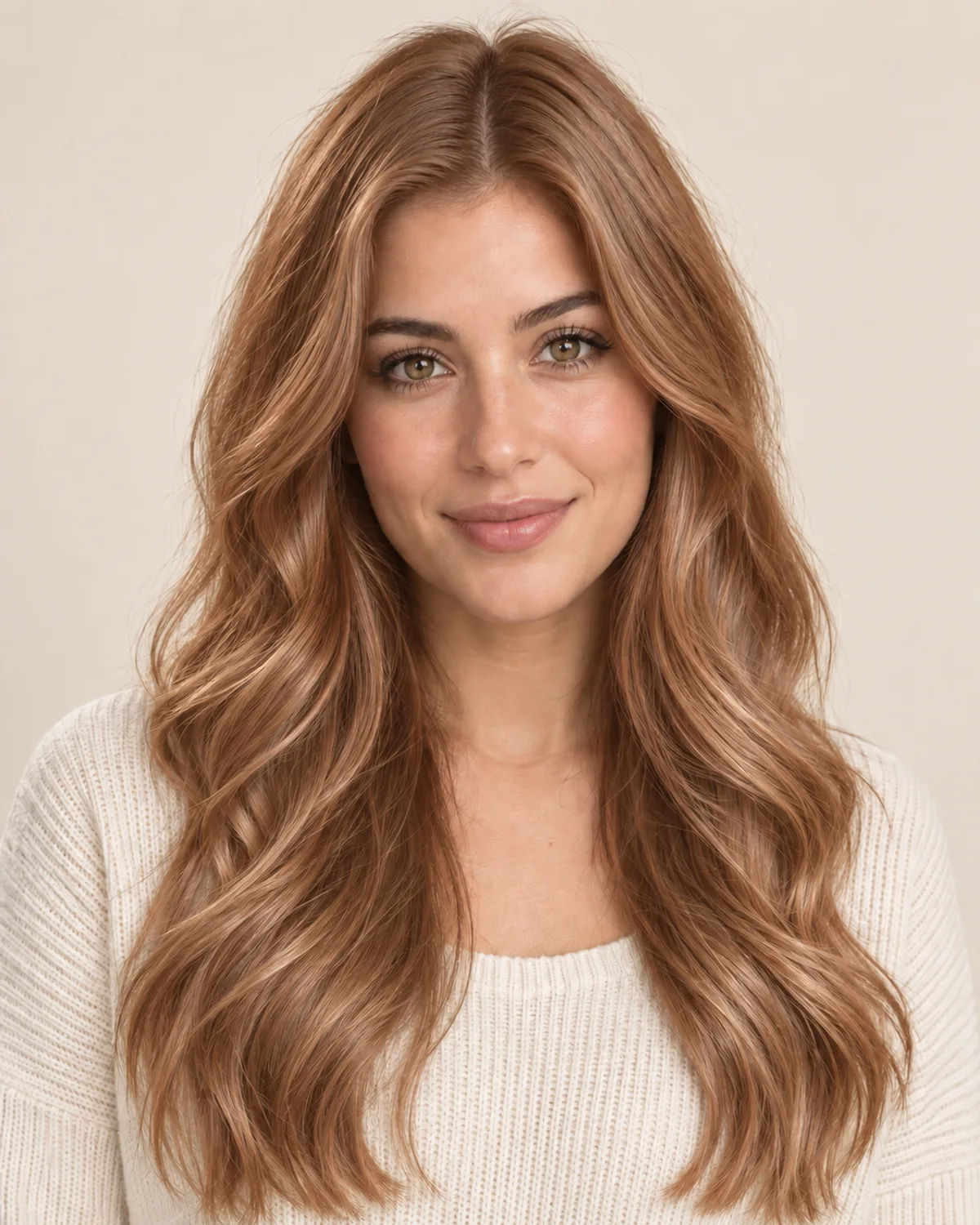
Strawberry blonde
Gold with a touch of copper
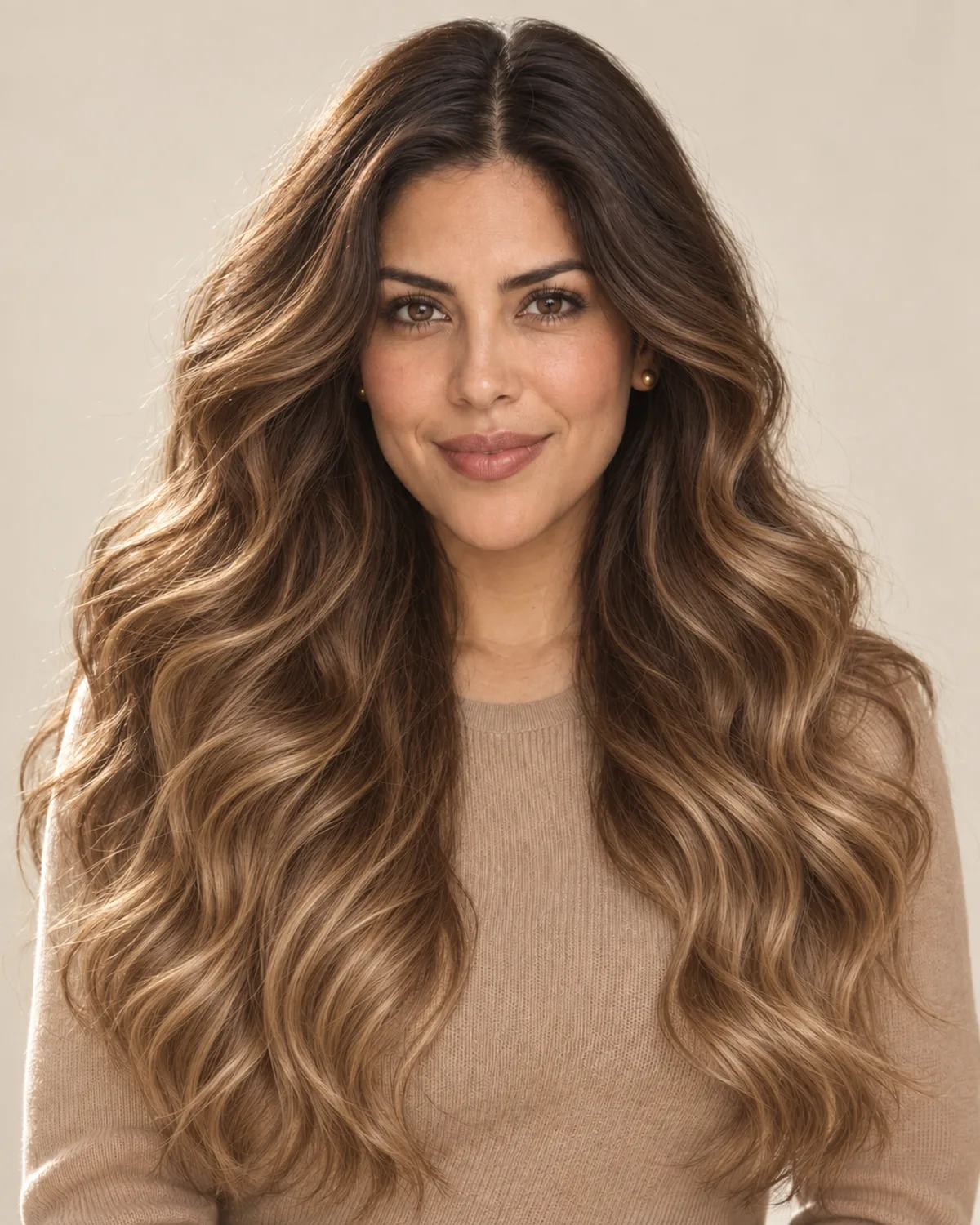
Golden balayage
Warm blonde painted over brown
To compare golds, honeys and strawberries side by side, open the blonde hair filter.
Warm browns
Warm browns are the easiest warm colors to live with. Chestnut is a medium brown, around level 5, with a red-gold glint. Caramel brown is lighter, around level 6, with gold and a little copper. Chocolate brown is deep, around level 4, rich without reading as red. From natural brown hair all three need little or no lightening, and a demi-permanent gloss can refresh them between appointments.
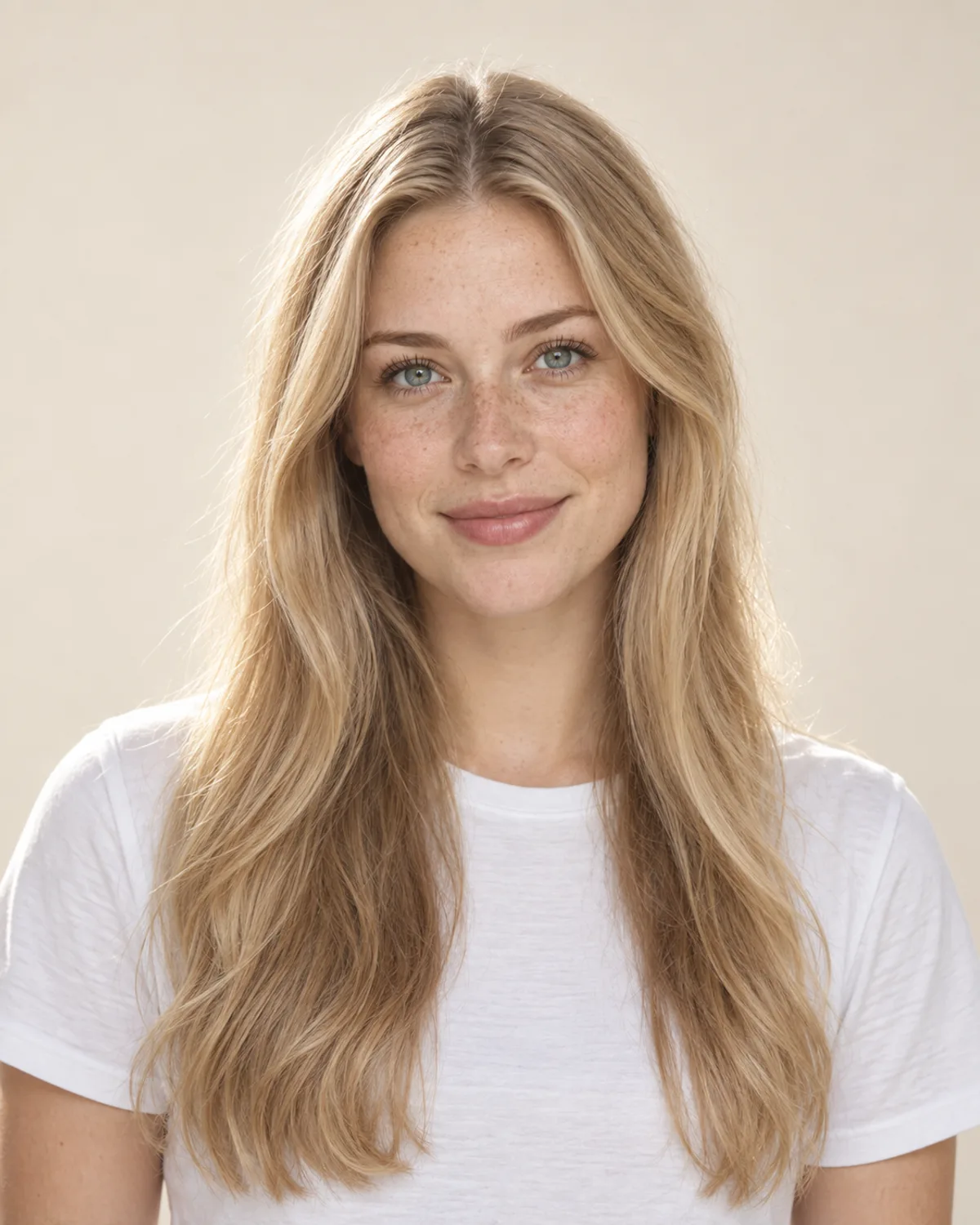
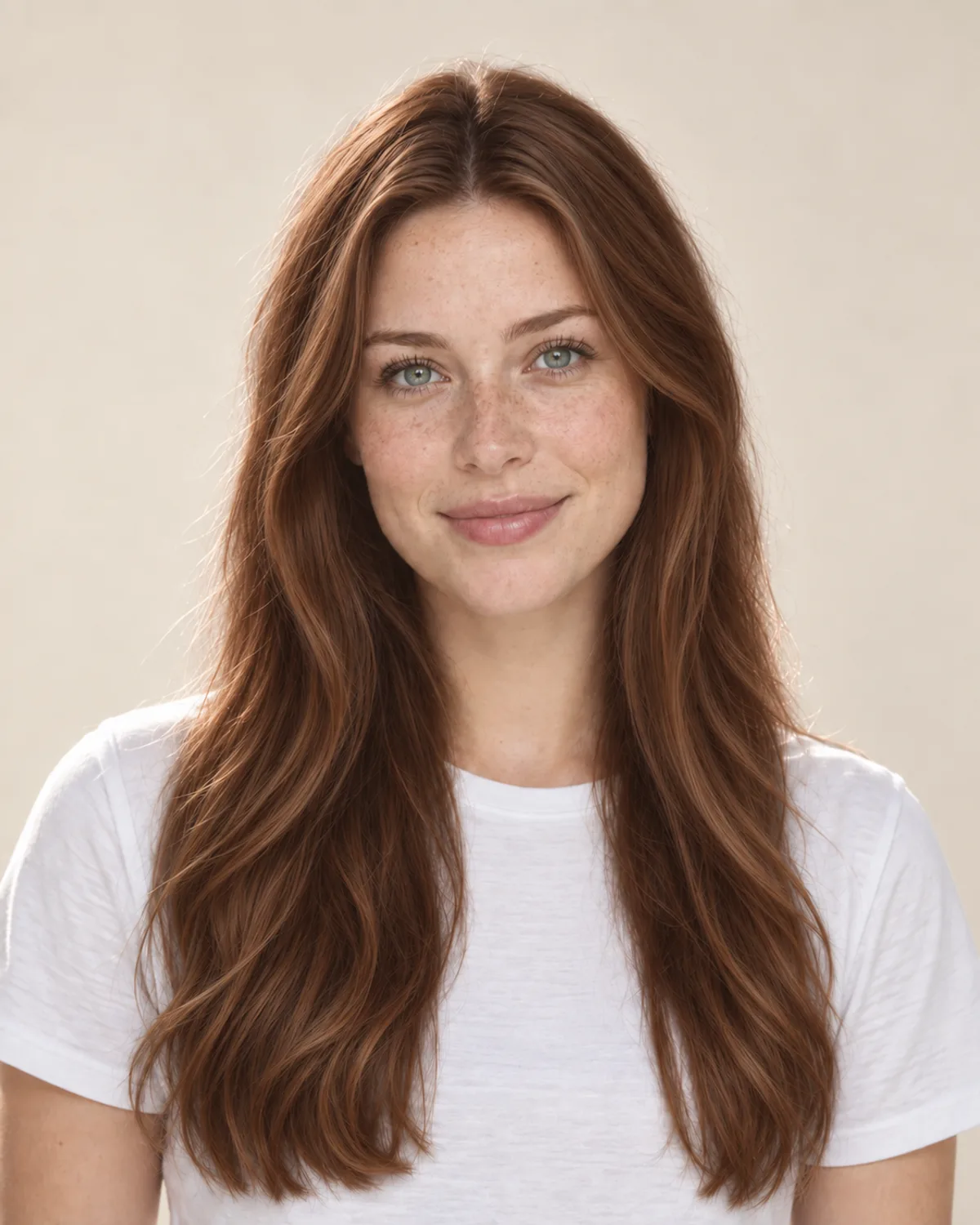
Going from light to brown has one trap. Pre-lightened or highlighted hair has lost the red and gold pigment that brown dye relies on, so a plain brown over it can turn out muddy, flat or faintly green. If you are going three or more levels darker, especially over old highlights, ask about a filler: a red-gold pre-pigment applied before the brown.
Caramel brown
Level 6, gold and a little copper
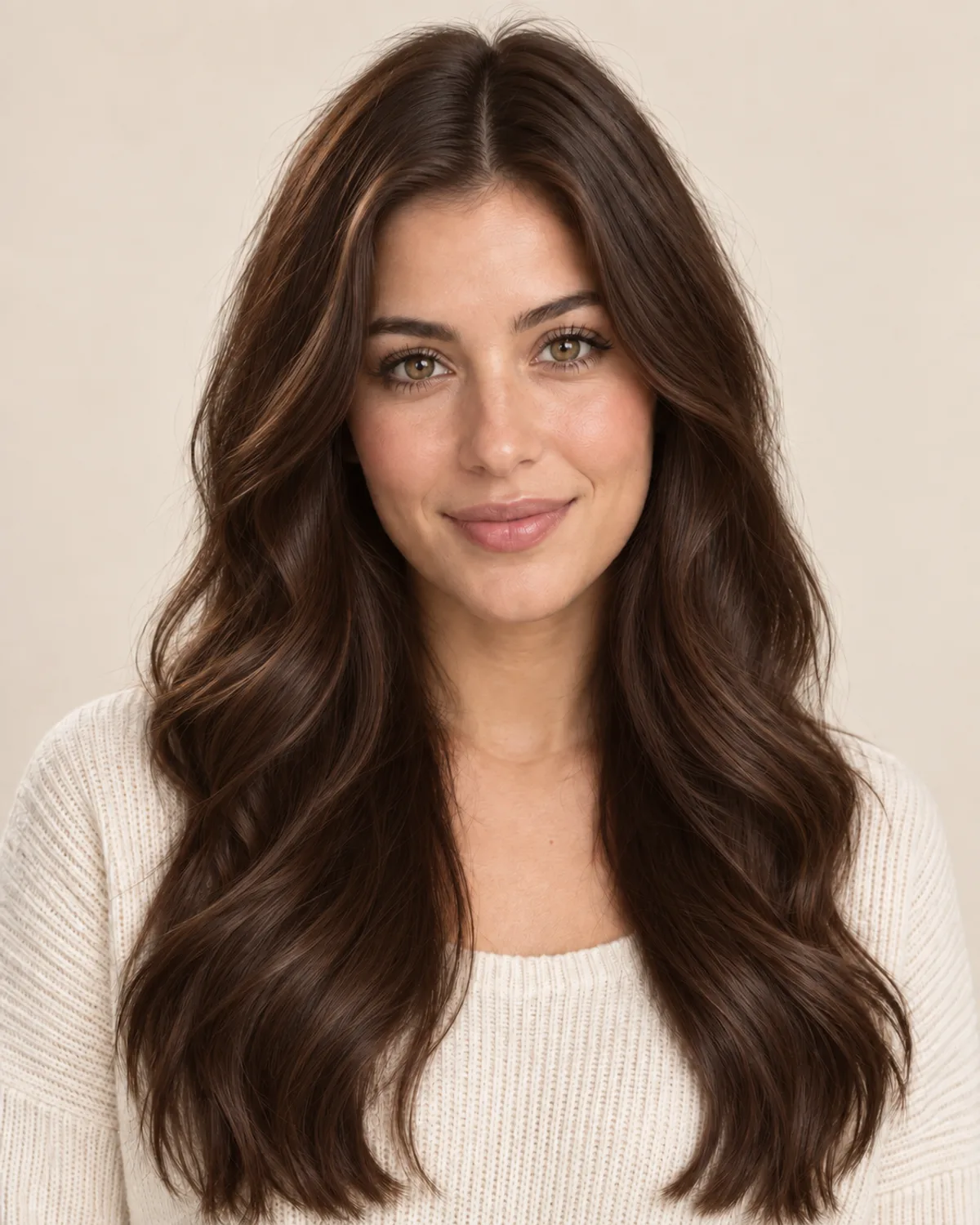
Chocolate brown
Level 4, rich but not red
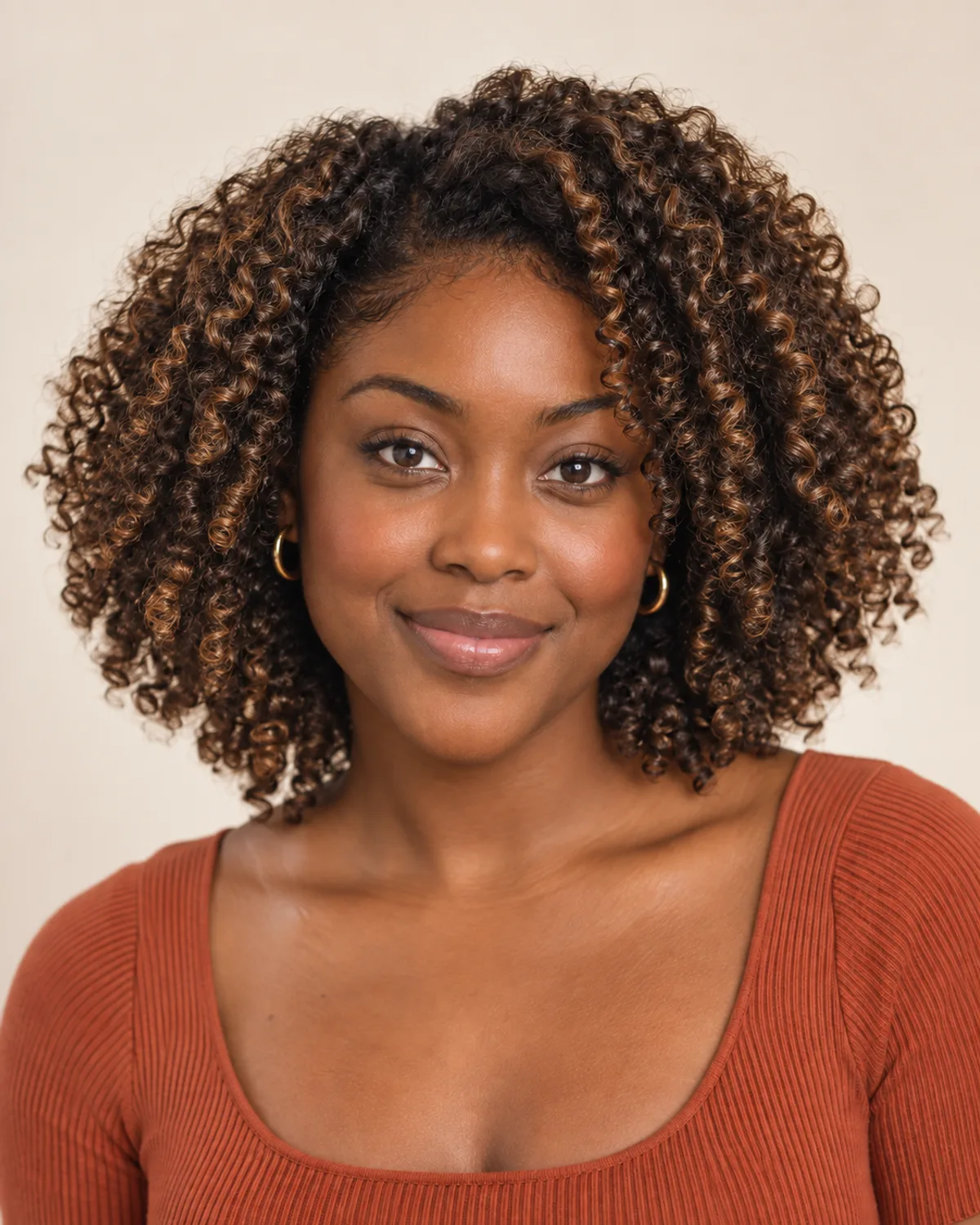
Caramel highlights
Warm dimension on dark curls
The brown hair filter shows more browns from caramel to espresso, and the highlights filter adds warmth in pieces instead of all over.
Warm reds and coppers
This is where warm undertones really shine. Copper is a bright orange-red around level 7; ginger is lighter and more orange, close to many natural redheads; auburn is a red-brown around level 5; mahogany is the deepest, a dark brown with a red-violet cast. Copper and ginger are most striking on fair, peachy or freckled skin and on deep warm skin. Auburn and mahogany are the easiest reds to wear over dark natural hair, because they need little lightening. With green or hazel eyes, copper and auburn are the classic pairing — our guide to the best hair color for green eyes explains why.
Copper
Level 7, bright orange-red
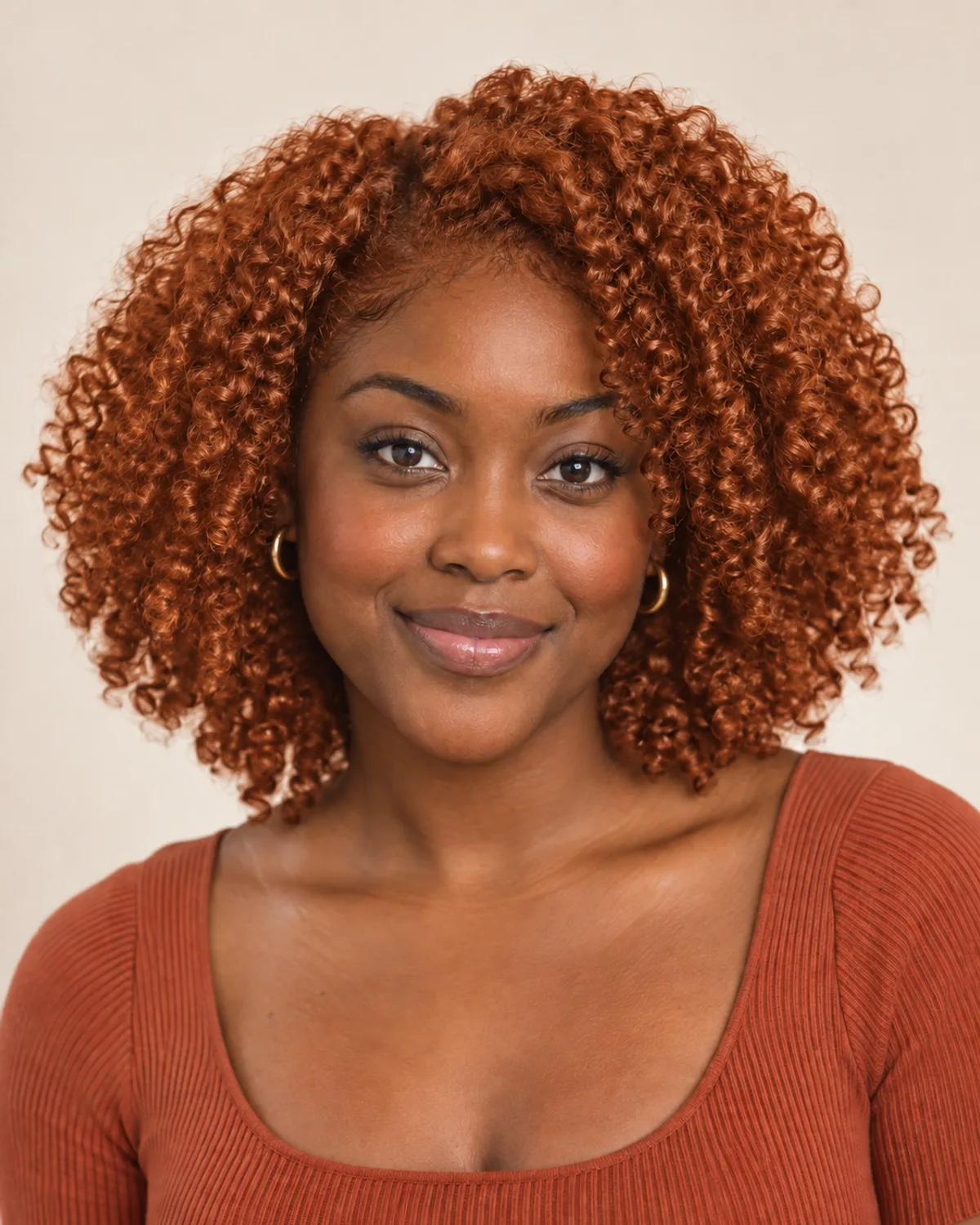
Ginger
Lighter and more orange
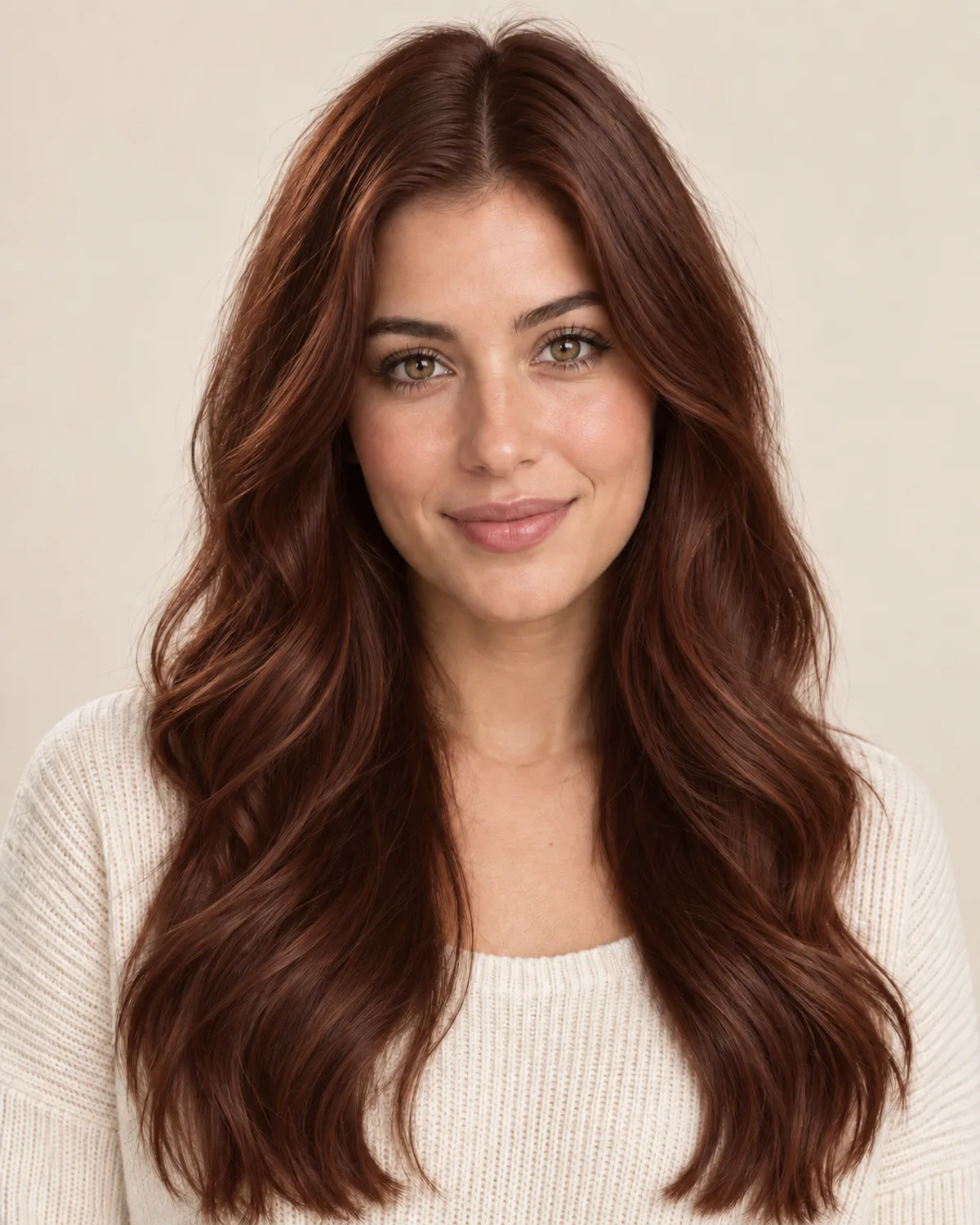
Auburn
Red-brown, easy from dark hair
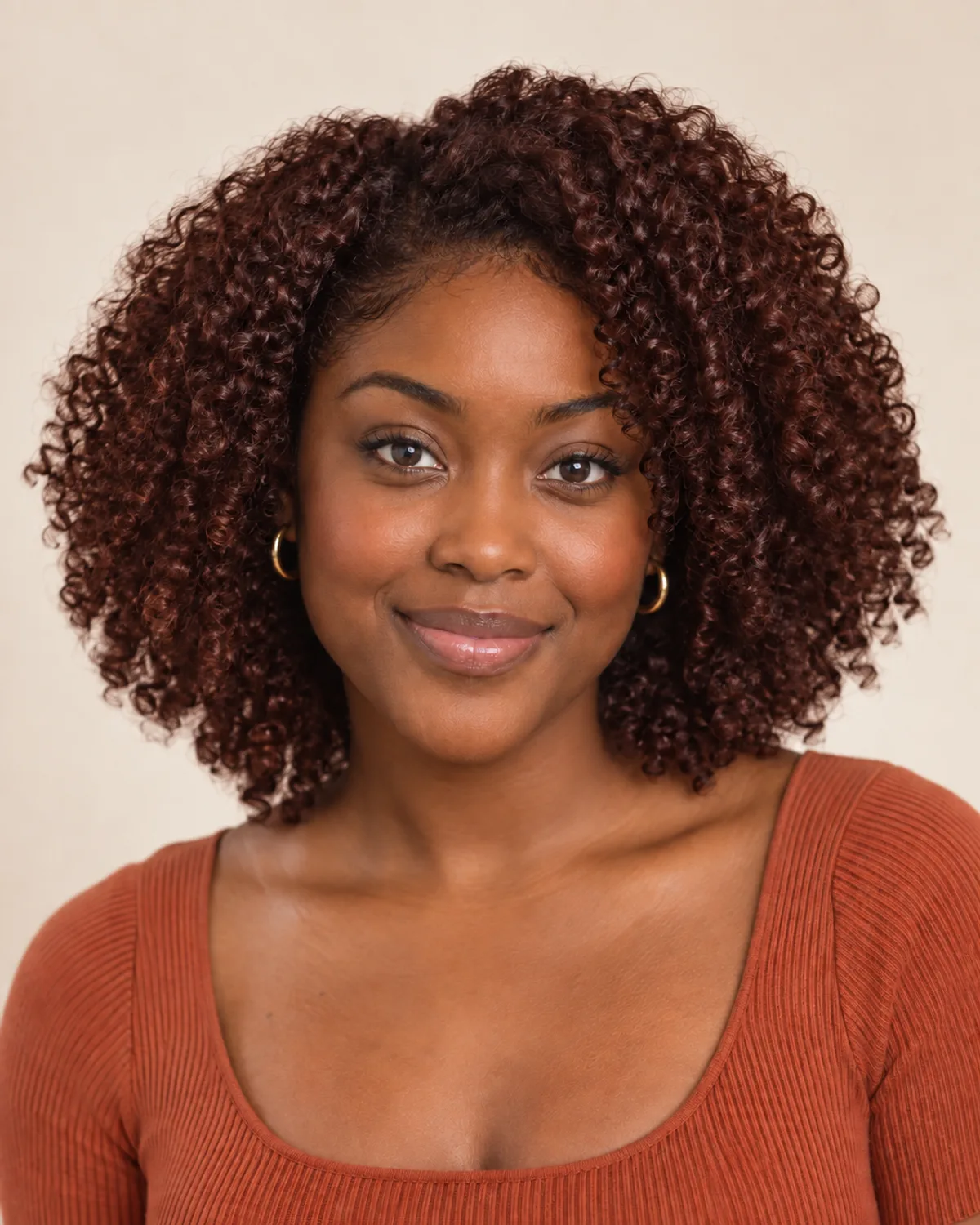
Mahogany
Deep brown, red-violet cast
Warm reds work on men too, but short hair shows regrowth fast: hair grows about half an inch a month, and on a cropped cut that much dark root is obvious.


Rose gold and warm fashion shades
Most pastel and neon fashion colors lean cool, but a few sit on the warm side: rose gold, which is pink over golden blonde, and purples that lean red or pink, such as plum and orchid. The gold in rose gold keeps the pink from looking cold, so it flatters warm skin more than a blue-based pastel pink. Like any pastel, it needs a very light base, around level 9, and fades within weeks.
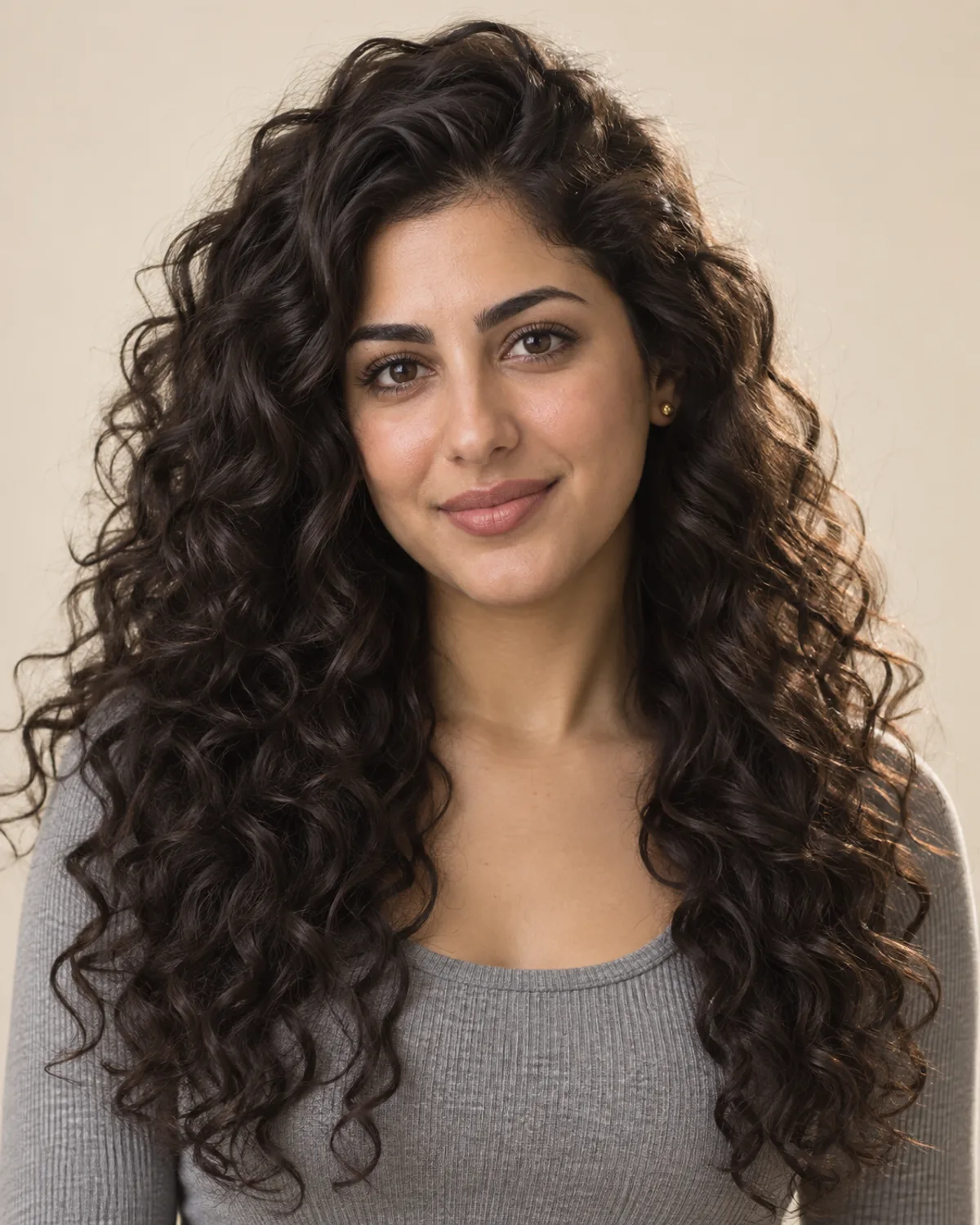
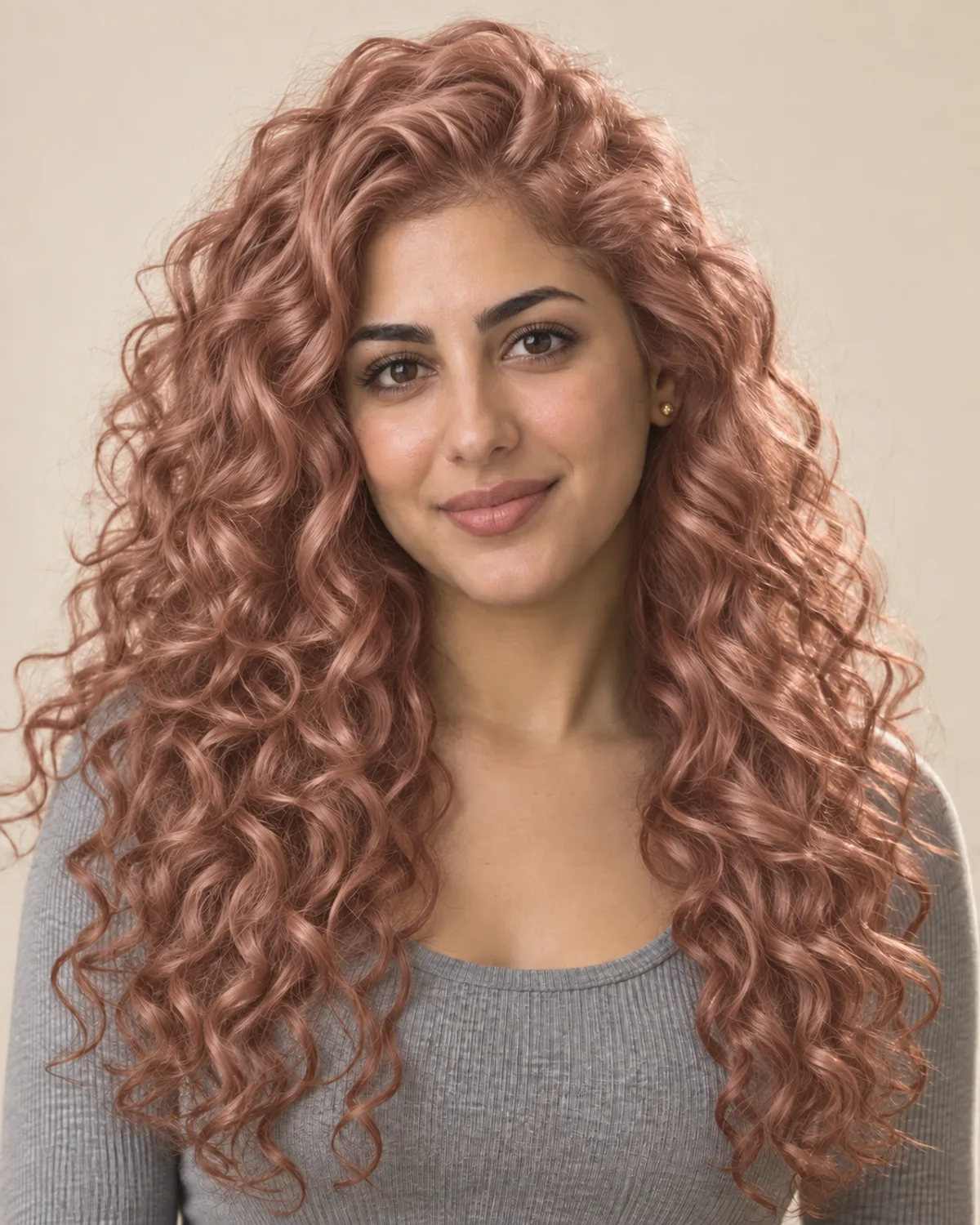
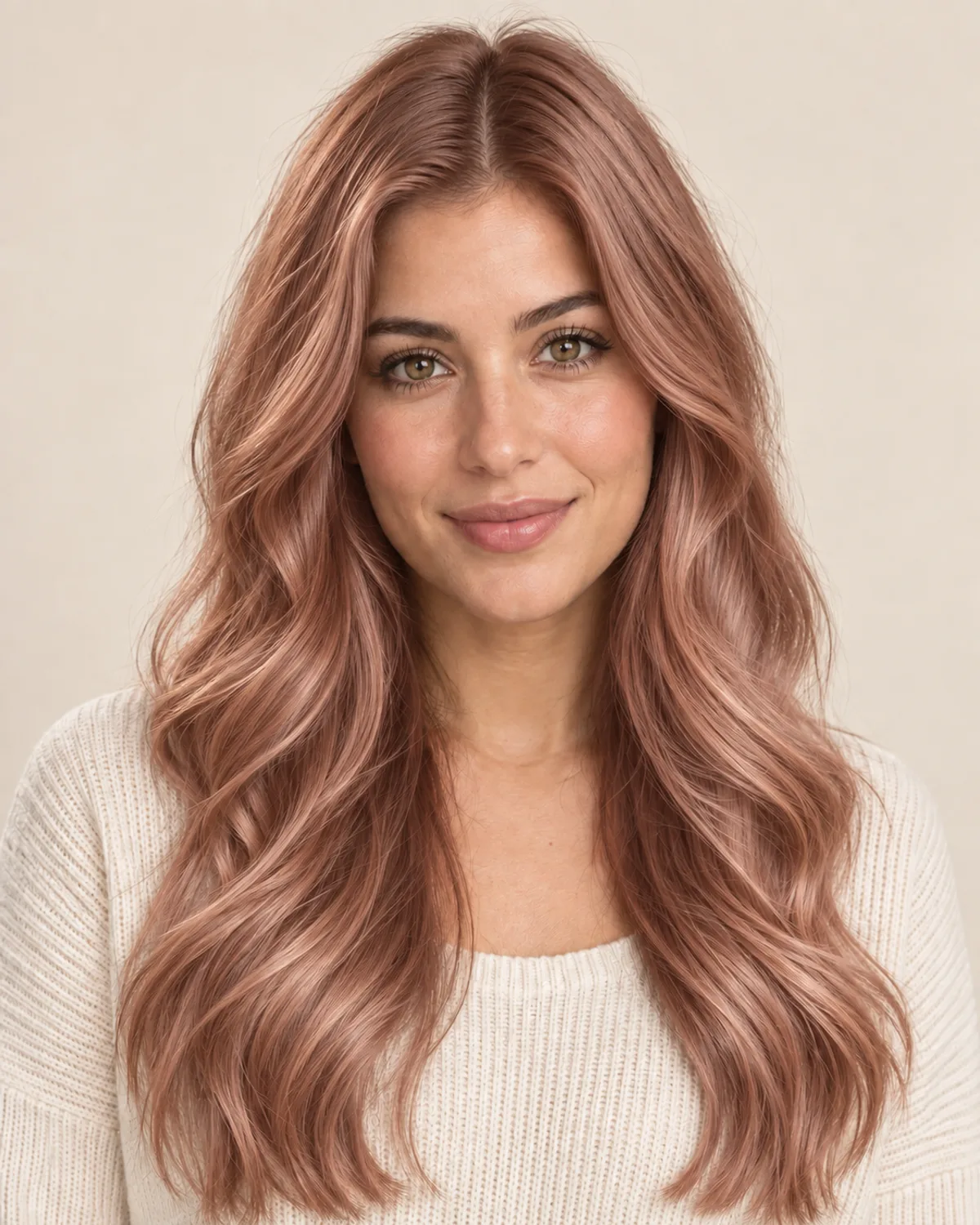
Rose gold
Pink-gold on long waves
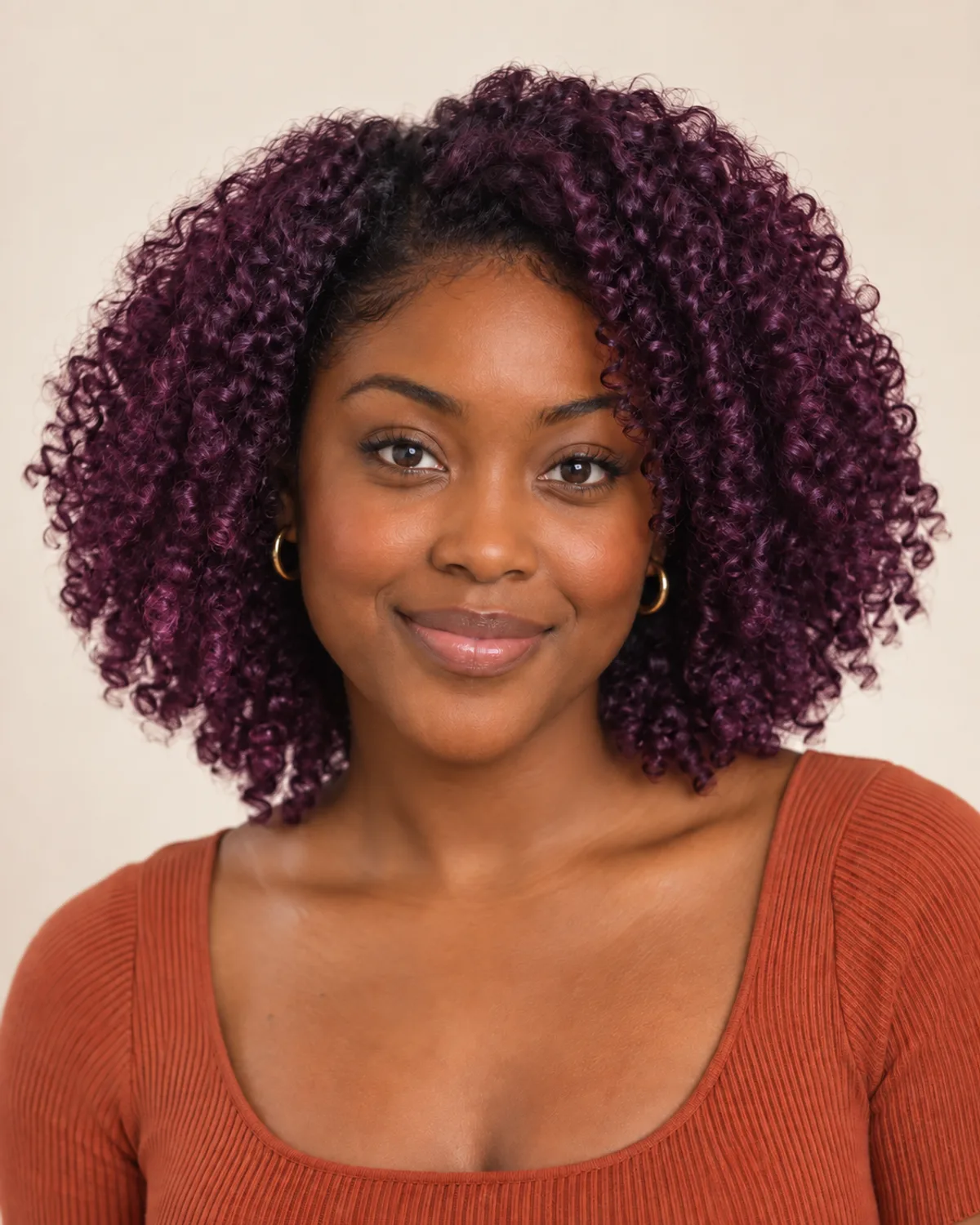
Plum
Red-violet, the warm side of purple

Orchid
A bright, pink-leaning violet
More pinks and purples, warm and cool, are on the pink hair filter and the purple hair filter.
Hair color for warm skin tone, by depth
Undertone picks the family; the depth of your skin, and how much contrast you like, picks the shade. Start here:
| Skin depth | Blonde | Brown | Red and copper | Highlights and fashion |
|---|---|---|---|---|
| Fair, peachy or golden | Strawberry, golden, light honey | Light caramel, golden light brown | Ginger, light copper | Rose gold, fine golden highlights |
| Light to medium, warm | Honey, golden, caramel blonde | Caramel brown, chestnut | Copper, auburn | Honey balayage, rose gold |
| Olive or tan, warm | Caramel blonde as highlights | Chestnut, warm chocolate | Auburn, mahogany, deep copper | Caramel highlights, plum |
| Deep, warm | Honey blonde, golden highlights | Chocolate, dark chestnut | Mahogany, deep copper, auburn | Honey or caramel highlights, plum |
Two more things help. Hair almost the same color as your skin can make both look flat: on golden skin, a golden blonde of exactly that depth may blend in, and a richer honey or a few darker lowlights fixes it. And the bigger the contrast between hair and skin, the bolder the look — honey blonde on deep skin or chocolate brown on fair skin is a statement, caramel on medium skin reads soft. Warm shades also make blue eyes stand out by contrast; see the best hair color for blue eyes for more.
Choosing hair dye for warm undertones
At home or in a salon, a few things decide how warm the result really is.
- Read the tone code. Shades are written as level plus tone, like 7.3 or 7G. In the common European-style numbering, .3 is gold, .4 copper, .5 mahogany and .6 red, while .1 is ash; letter systems use G, C and R for warm and A for ash. Brands differ, so check the chart on the box.
- Neutral plus warm is the safe middle. If pure gold looks too yellow on you, a golden natural such as 7.03 gives warmth without tipping into brass.
- Permanent color only lifts so far — about two or three levels in one application. Push it further on dark hair and you see your own red-orange pigment instead of the shade on the box, the classic too-orange result people blame on warm dye.
- Glosses add warmth without lifting. A semi- or demi-permanent gloss only deposits color, so it is the gentlest way to warm up brown hair or revive faded copper. Expect it to fade over about 4–8 weeks.
- Warm tones are kind to gray. Ash shades can look flat over white hairs; gold and warm natural shades usually blend gray more softly.
- Know when to book a colorist. More than three levels lighter, dark hair to blonde, or correcting old box color is salon work. And do the 48-hour allergy patch test that permanent dye instructions ask for, every time.
Not ready for all-over color? Highlights are the low-commitment way in.
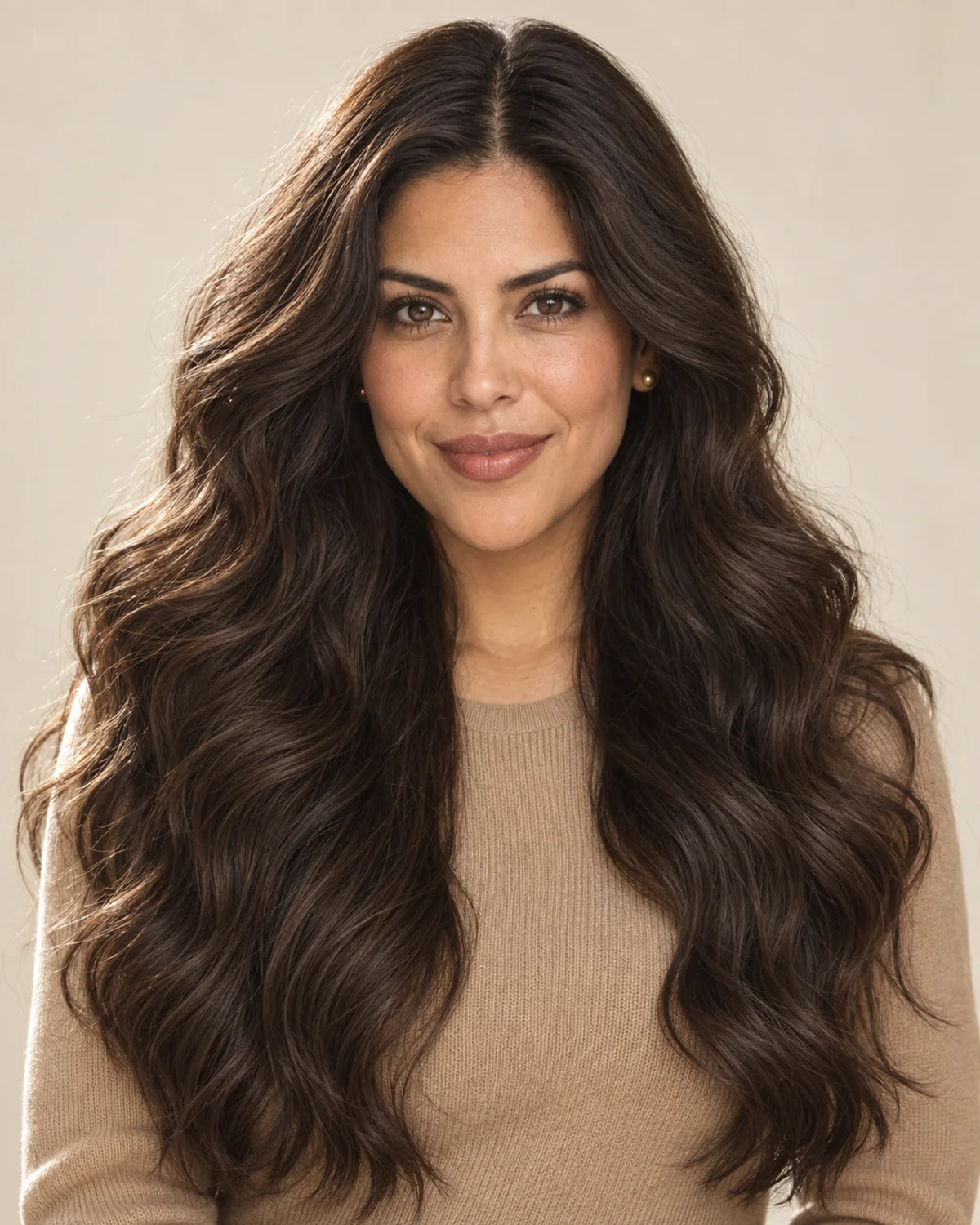
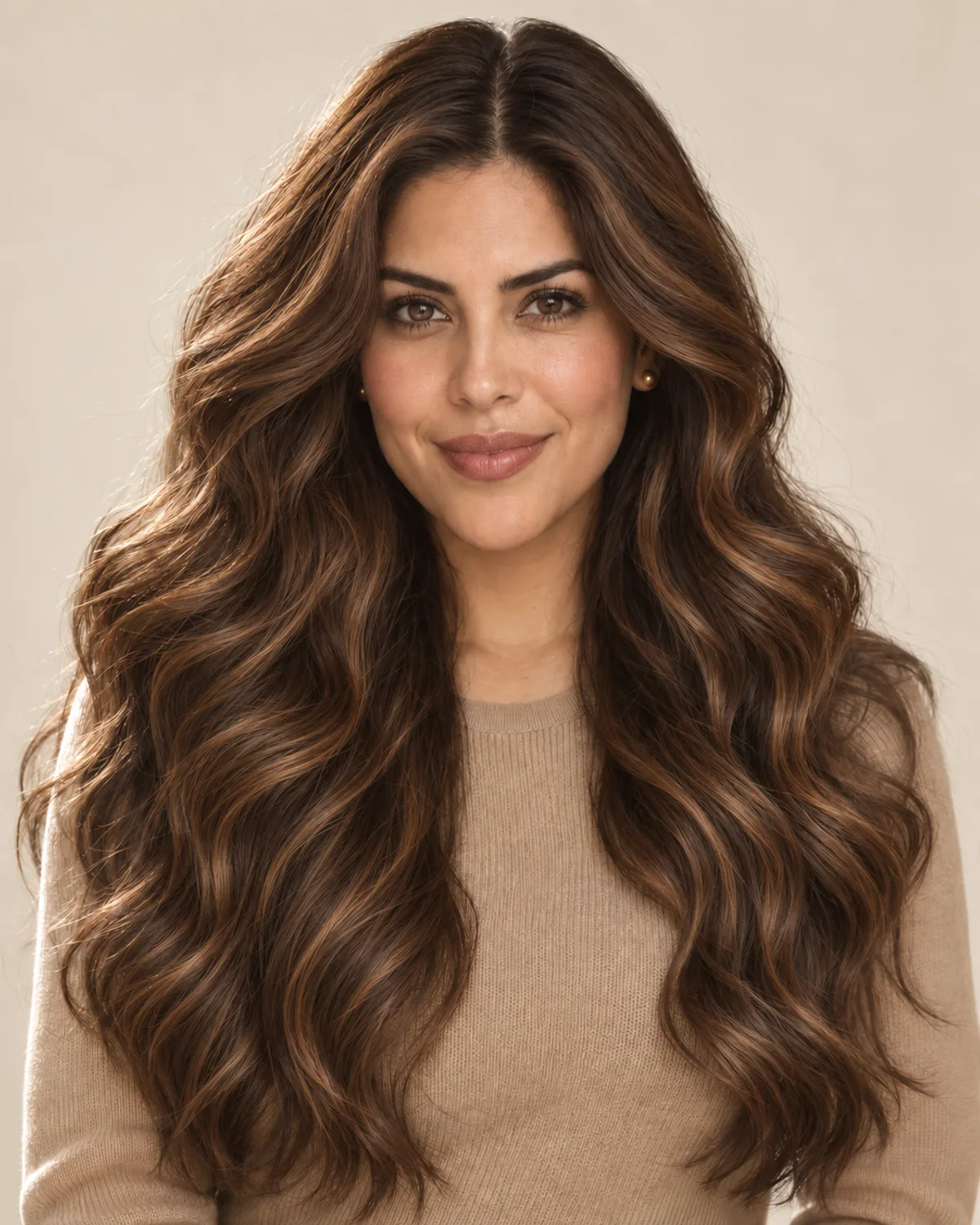
Keep warm hair tones from going dull
A warm shade usually doesn't fail by turning brassy — it fails by going flat. Red and copper are the quickest natural shades to wash out, golden blonde loses its shine and turns plain yellow, and chocolate brown can fade to a dull, reddish brown. To keep warm color rich:
- Wash less, and cooler. Hot water opens the cuticle and lets color escape. Two or three lukewarm washes a week with a gentle, sulfate-free shampoo make a real difference.
- Top up the pigment. A copper, gold or red color-depositing conditioner once a week puts back what washing takes out.
- Book a gloss every 4–6 weeks to restore tone and shine between color appointments.
- Skip the purple shampoo. It cancels gold, which is the point of a warm blonde. Use it only if a golden shade has drifted too yellow, and keep blue shampoo off copper and warm browns.
- Turn the heat down. Reds fade fastest under hot tools; use a heat protectant and the lowest setting that works.
- Mind sun, pools and hard water. UV and chlorine fade warm tones, and mineral deposits dull them. Wet your hair before swimming, cover up in strong sun, and clarify about once a month — ideally right before a gloss, since clarifying strips color too.
Hair color warm tones vs cool tones
Warm and cool shades don't only look different on the face — they behave differently in the chair and at home.
| Warm tones | Cool tones | |
|---|---|---|
| Base | Gold, copper, red | Ash, blue, violet |
| Flatters | Golden, peachy, yellow or warm olive skin | Pink, rosy or bluish skin |
| From dark hair | Works with the warmth that lightening exposes | Has to cancel that warmth with toner |
| How it fades | Goes flat or lighter; reds fade fastest | Drifts brassy as the toner washes out |
| Home care | Color-depositing conditioner, no purple shampoo | Purple or blue shampoo once or twice a week |
| Grow-out | Soft, especially with balayage or highlights | Roots and brass show sooner |
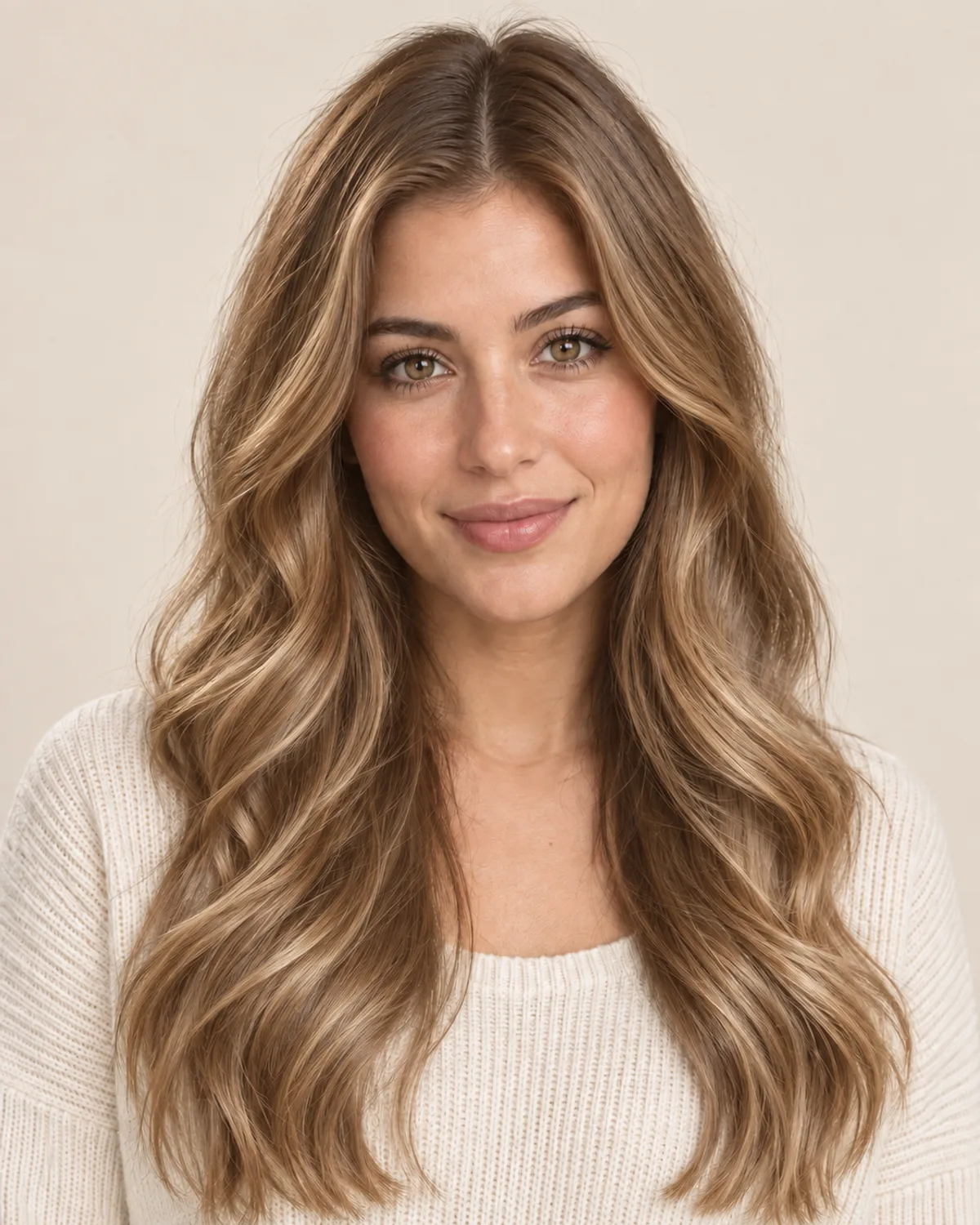
Warm: honey blonde
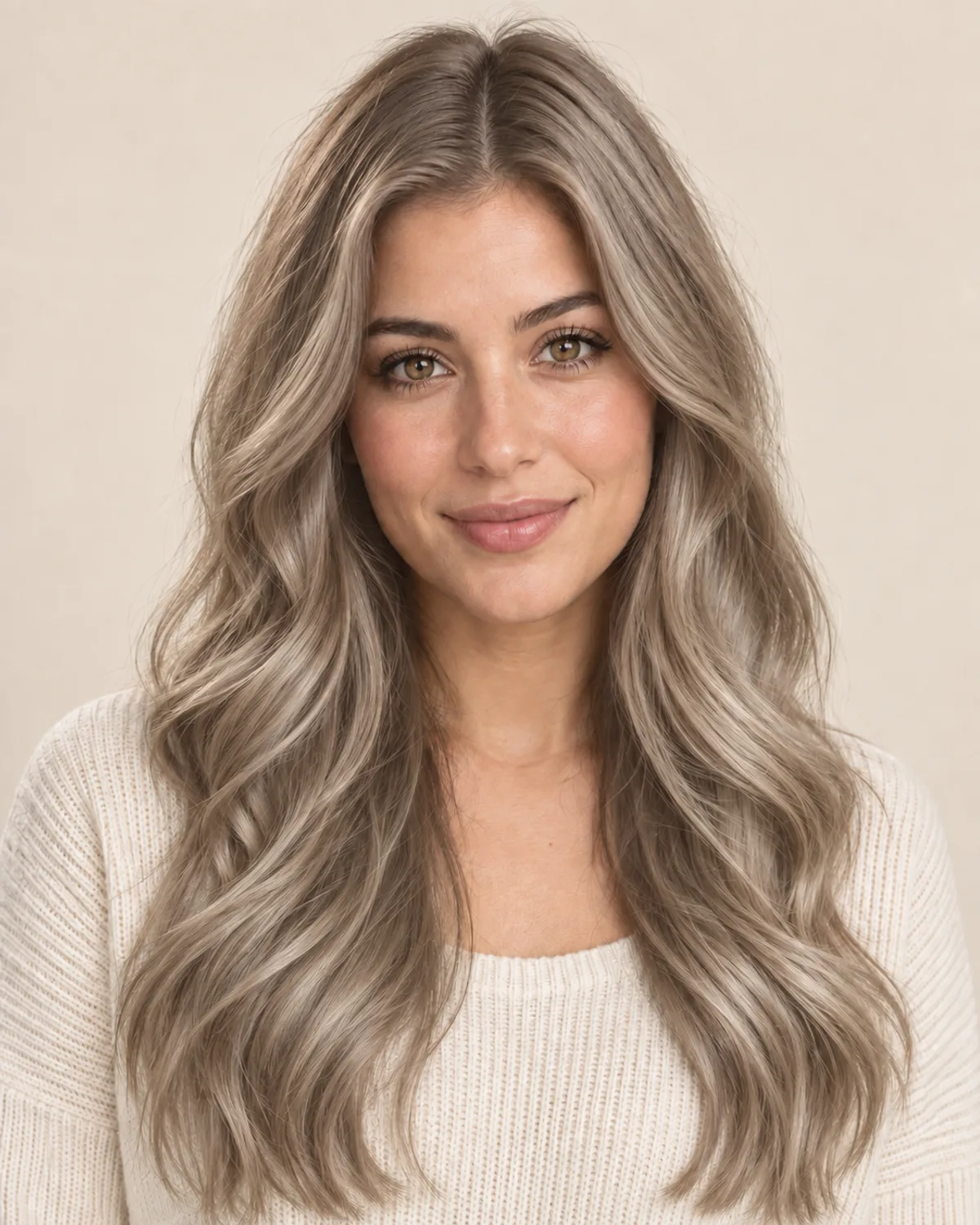
Cool: ash blonde
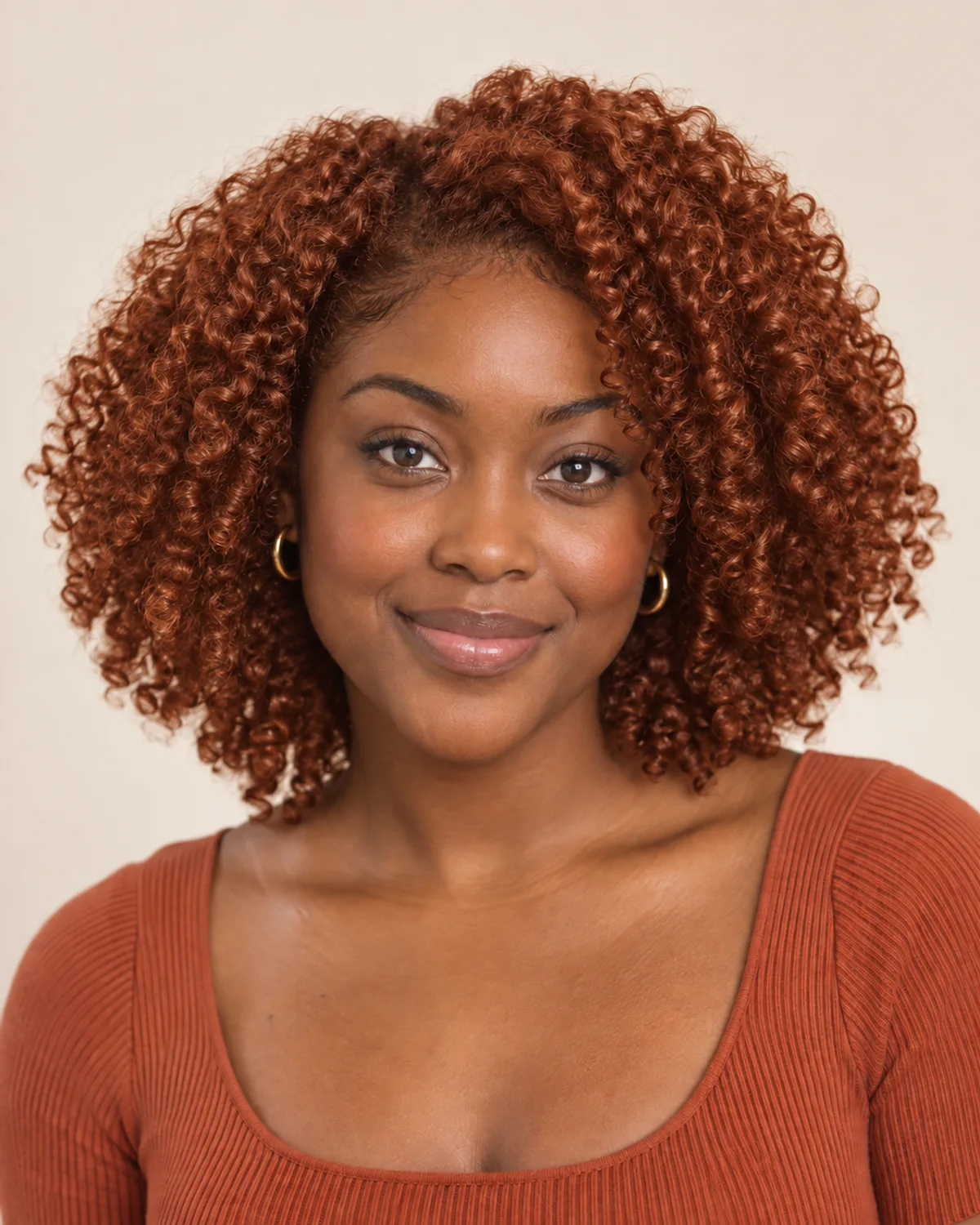
Warm: copper
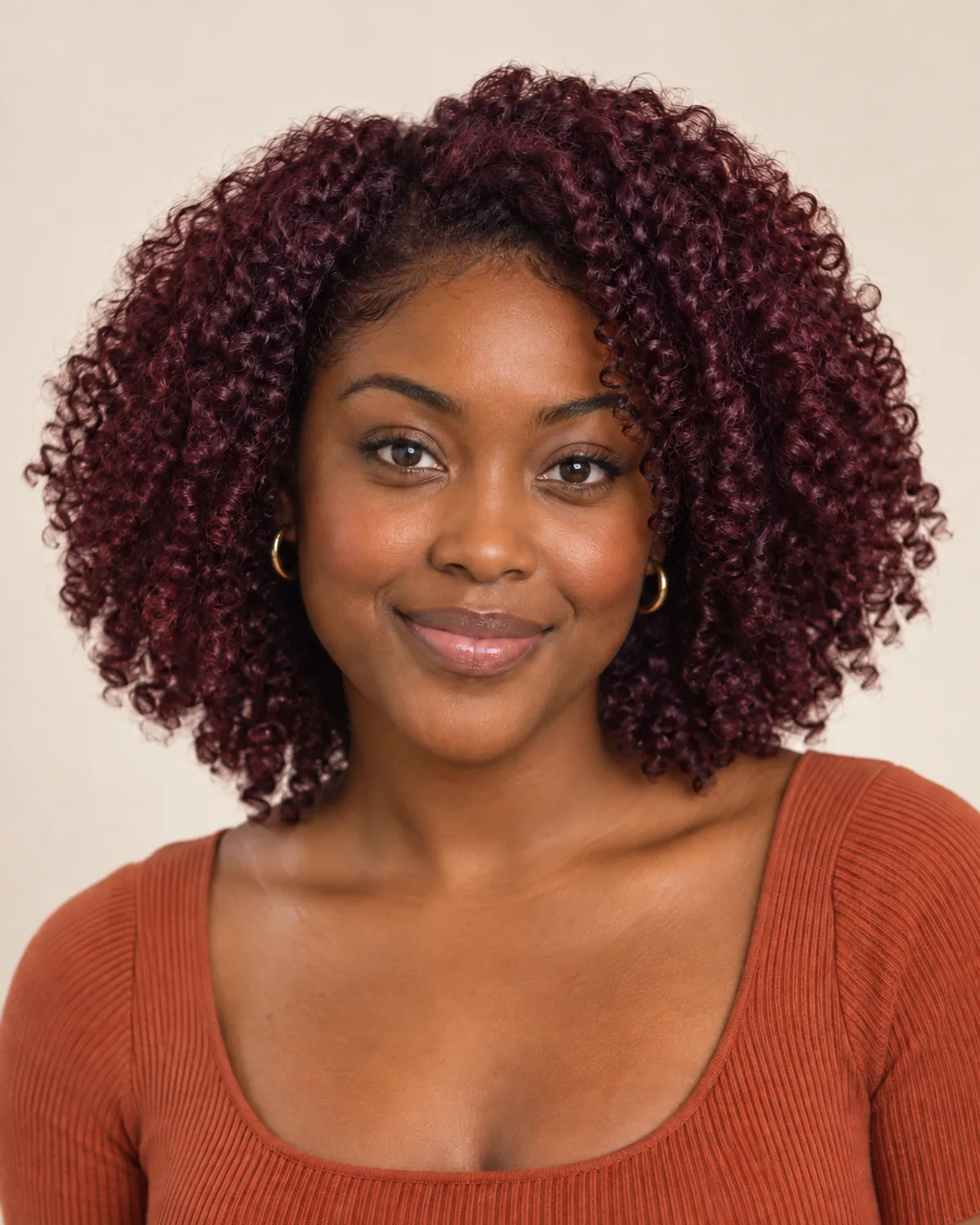
Cool: burgundy
If your skin is warm, approach the coolest shades with care. Ash and icy platinum can make golden skin look gray or sallow, blue-black can look harsh, and violet-based burgundy can clash where mahogany would glow. That doesn't mean never: a beige or neutral blonde instead of a true ash, or soft black instead of blue-black, bridges the gap. For the whole cool family, with photos, read our guide to cool tone hair colors.
Try warm hair colors on your own photo
A chart narrows things down, but only your own face tells you whether copper lights you up or caramel looks more like you. Upload a selfie to the hair color changer and flip between honey blonde, caramel, copper and auburn in seconds, or let the what hair color suits me quiz shortlist shades for your undertone. The red hair filter lines up coppers, auburns and mahogany on one screen. Treat the result as a preview, not a promise: how a dye really turns out depends on your starting color and your hair's history, so take the picture to your colorist as a reference.