Save 30% yearly

Hair Color Scanner — Identify Your Shade

Upload a photo for an estimate of your hair color: its level from 1 to 10, warm or cool tone, signs of dye and gray, and a note for your colorist. Then try a new shade on the same photo.

No photo handy? Try an example

Hair color reading

Your reading will include

  • Your shade and level

    A salon name for your color and where it sits on the 1–10 scale.

  • Warm, cool or neutral

    The tone in your color — it decides which new shades look natural.

  • Natural, dyed or gray

    Highlights, balayage, grown-out roots and how much gray.

  • What to try next

    Shades within reach, how many levels each one is, and a try-on.

Free with an account — 20 readings a day. Your photo is used only for this reading.

Free with an account, 20 readings a day · A photo-based estimate · Try-ons use credits

Worked examples

Sample Hair Color Scanner Results

Each reading estimates the level, tone, natural or dyed color and gray, with a note for your colorist and the closest catalogue shades. Select a shade to try it on the photo.

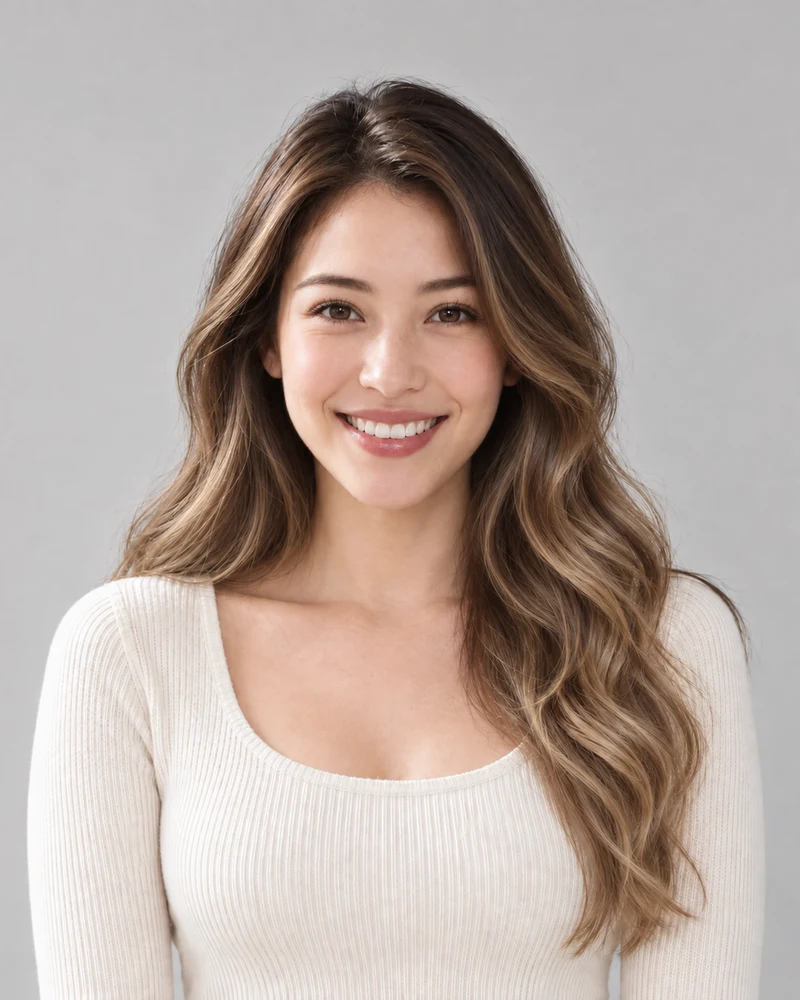
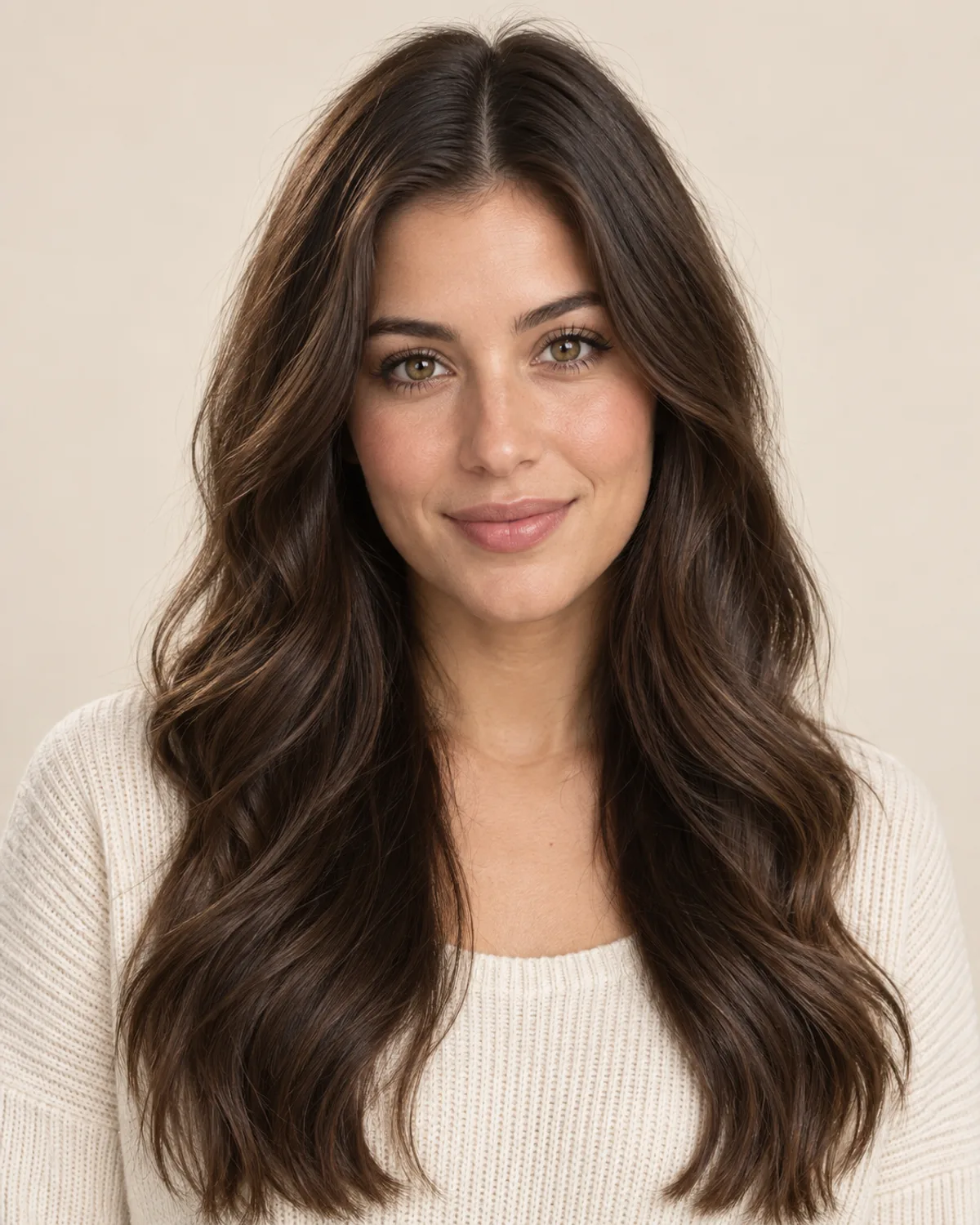
Example photo: Natural dark brown
Example photo of one of the site's AI-generated models.
Most likelyHigh match

Natural dark brown

Closest shade in our catalog: Dark brown

Level

Level 3 · Dark brown

Warm toneNatural color
Roots
Same shade as the lengths
Lengths
Rich, even dark brown
In the light
Warm chestnut glints

Show your colorist

“My hair is a natural level 3 dark brown with warm glints. I'd like to go one or two levels lighter and keep it warm, without any orange.”

Shades to try next

These worked examples were written for the example photos and don't use your daily readings. A reading of your own photo is an AI estimate, not a lab measurement.

Depth

Hair Color Levels from 1 to 10

Colorists grade depth from 1 (black) to 10 (lightest blonde). Your reading gives one number, which tells you how far any new shade is from where you start.

  1. 1Black
  2. 2Darkest brown
  3. 3Dark brown
  4. 4Medium brown
  5. 5Light brown
  6. 6Dark blonde
  7. 7Medium blonde
  8. 8Light blonde
  9. 9Very light blonde
  10. 10Lightest blonde
Example of level 2 hair: Darkest brown
Level 2 Darkest brown
Example of level 4 hair: Medium brown
Level 4 Medium brown
Example of level 6 hair: Dark blonde
Level 6 Dark blonde
Example of level 8 hair: Light blonde
Level 8 Light blonde
Example of level 10 hair: Lightest blonde
Level 10 Lightest blonde

Most natural hair sits between level 2 and 6. Each level lighter usually means more lightening — and more care afterwards.

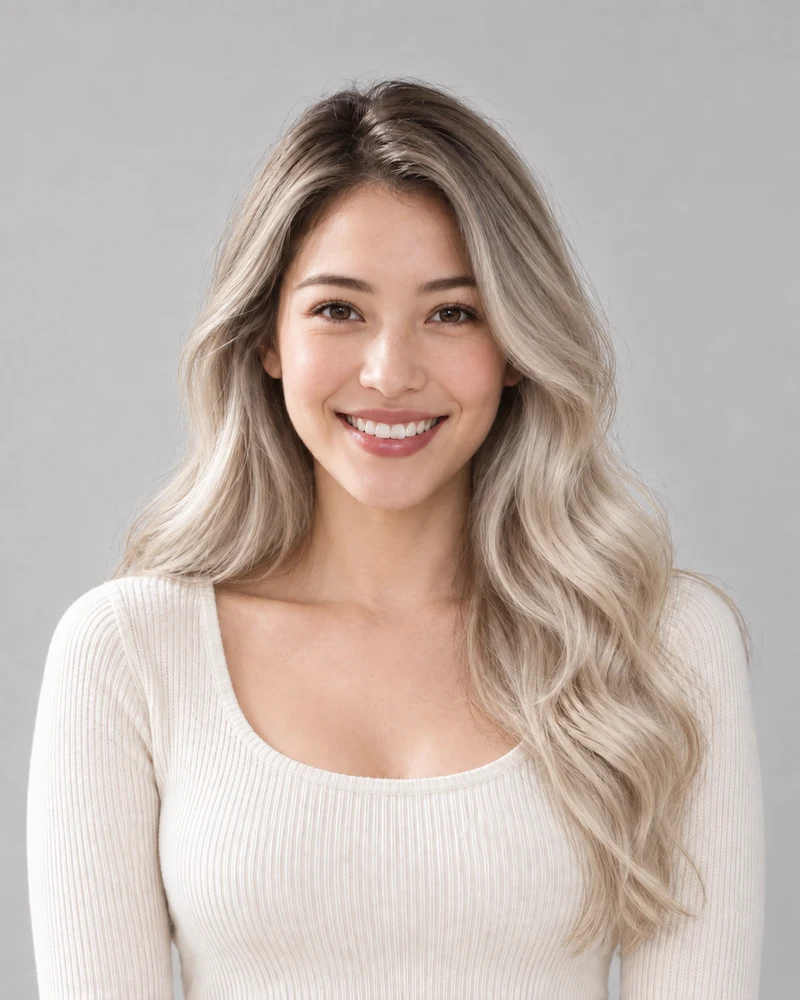
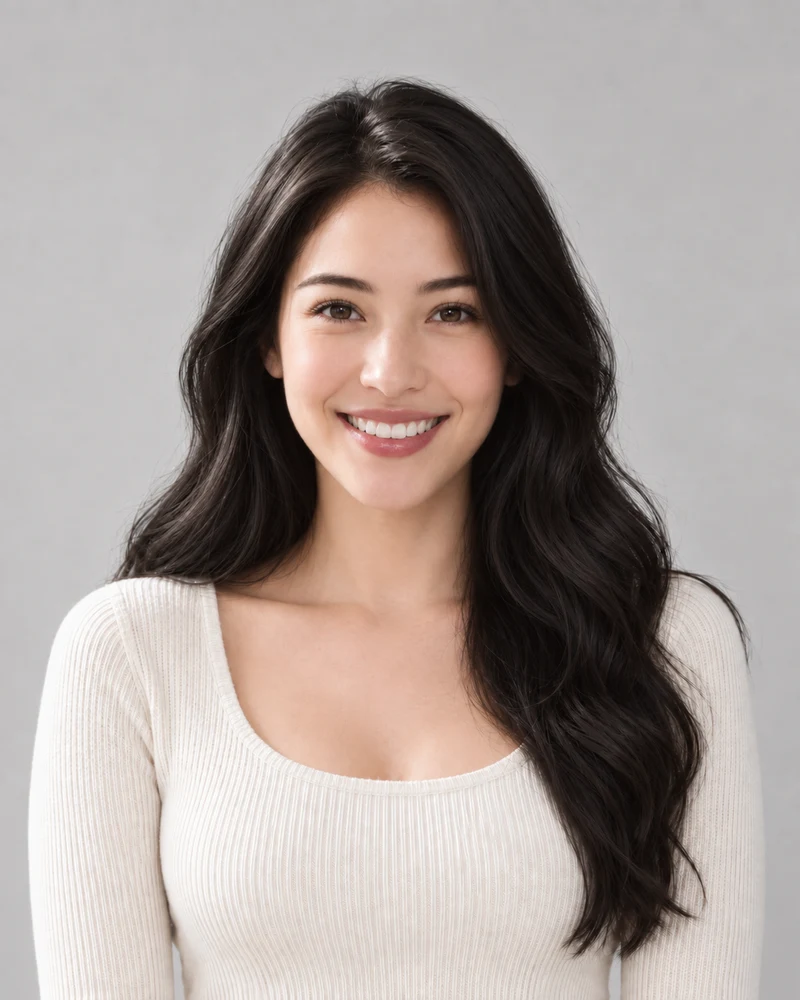
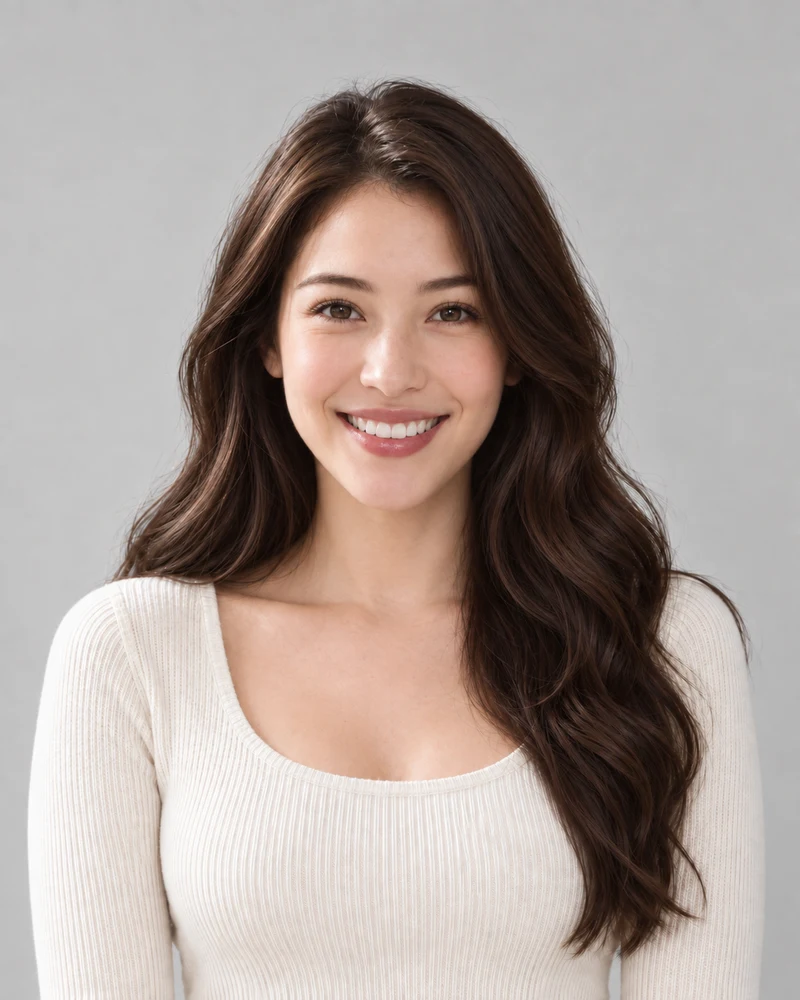
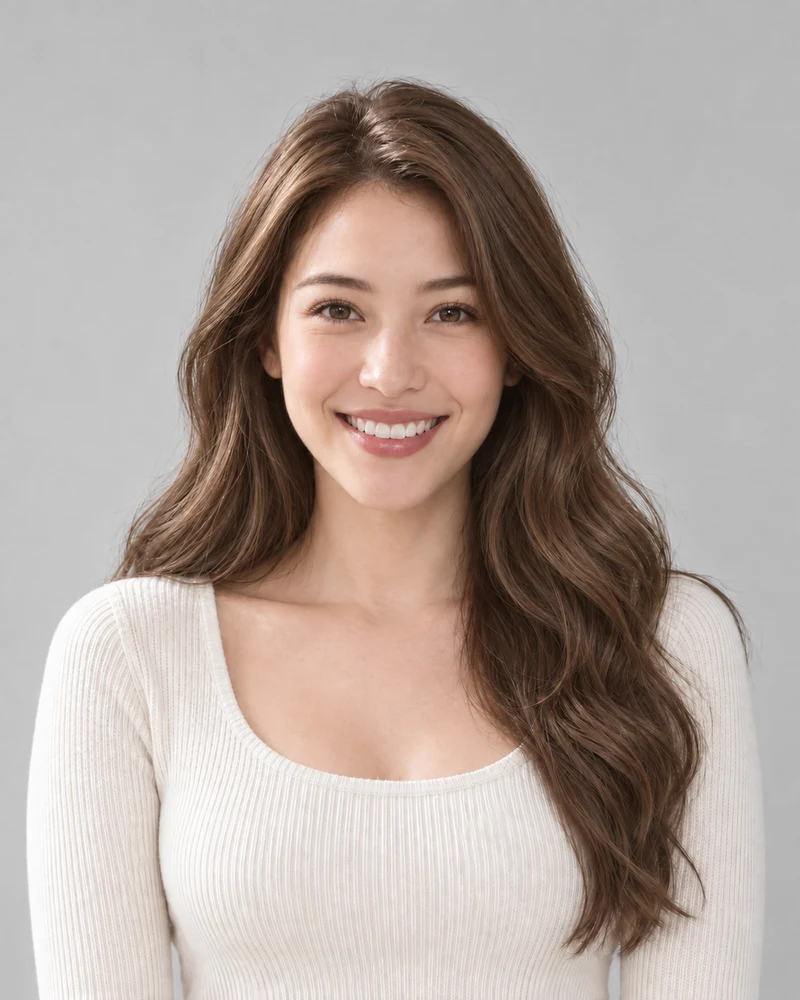
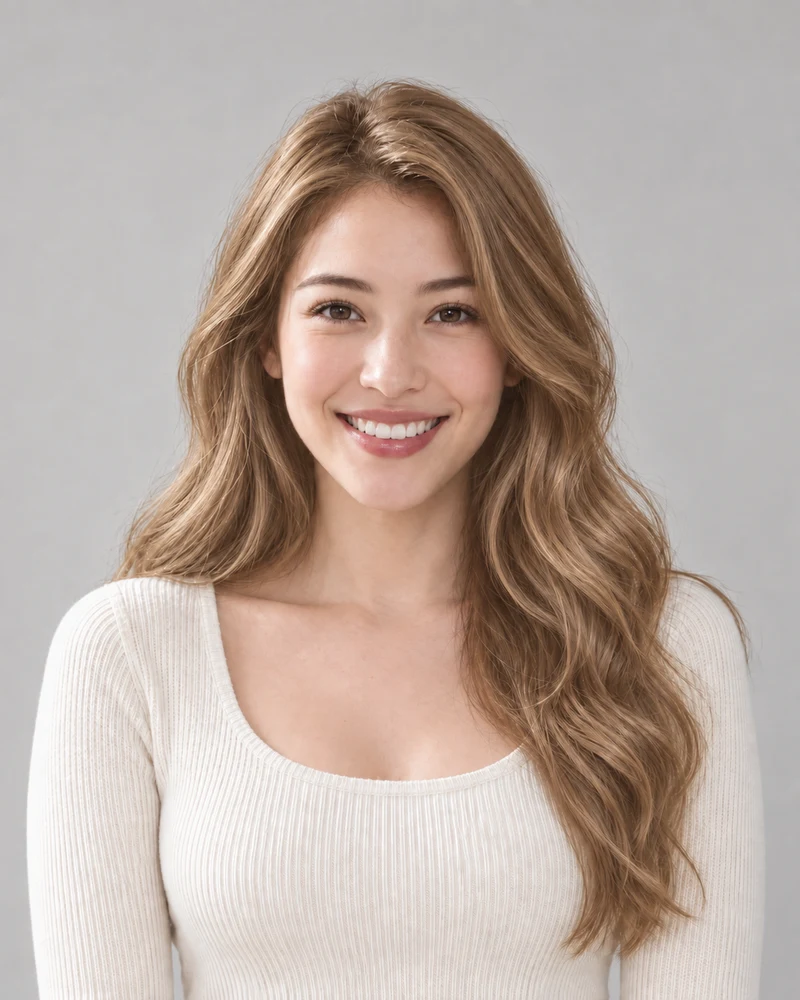
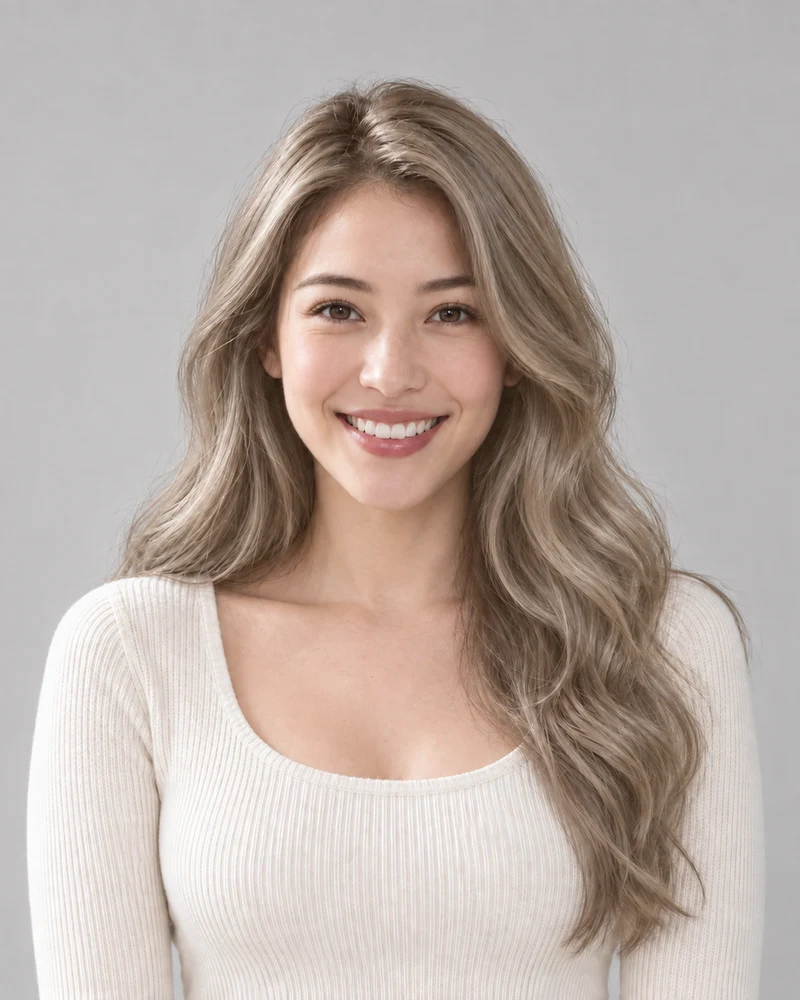
The example model: Warm · Golden blonde
Warm Golden blonde
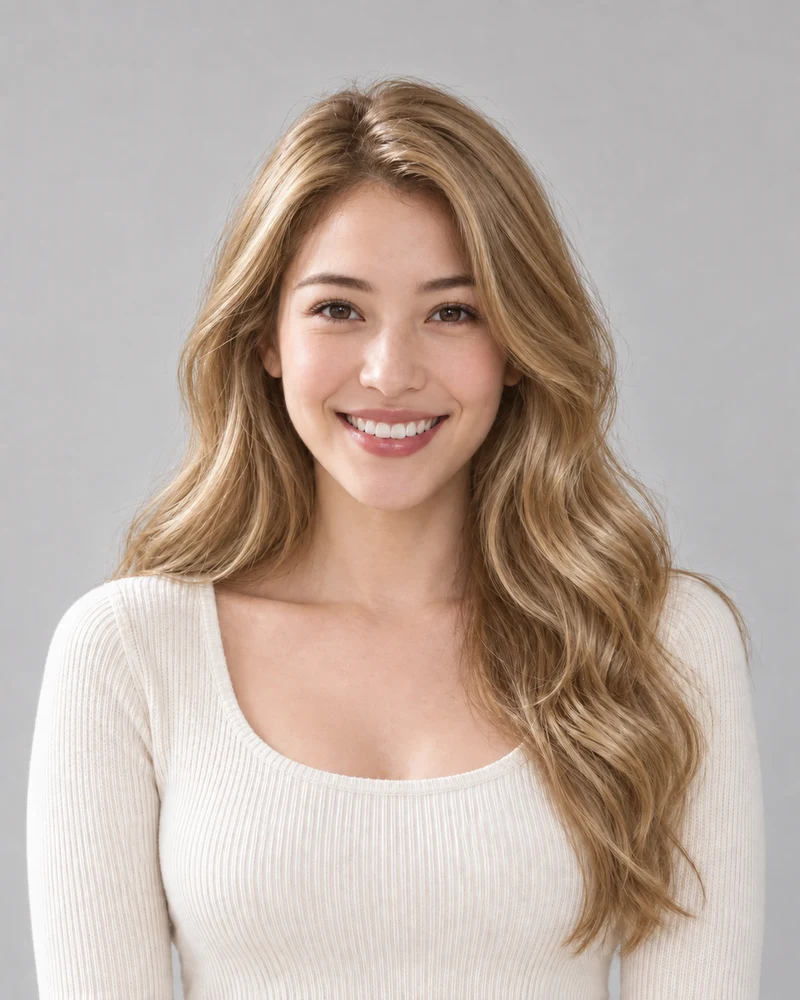
The example model: Neutral · Dirty blonde
Neutral Dirty blonde
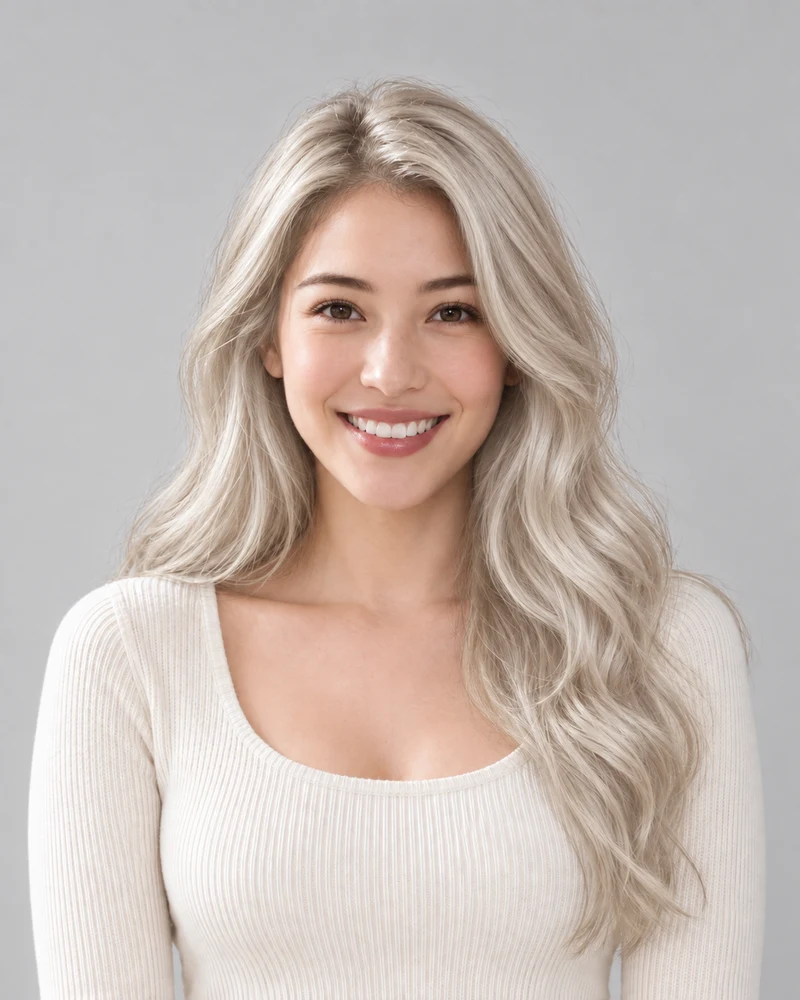
The example model: Cool · Ash blonde
Cool Ash blonde
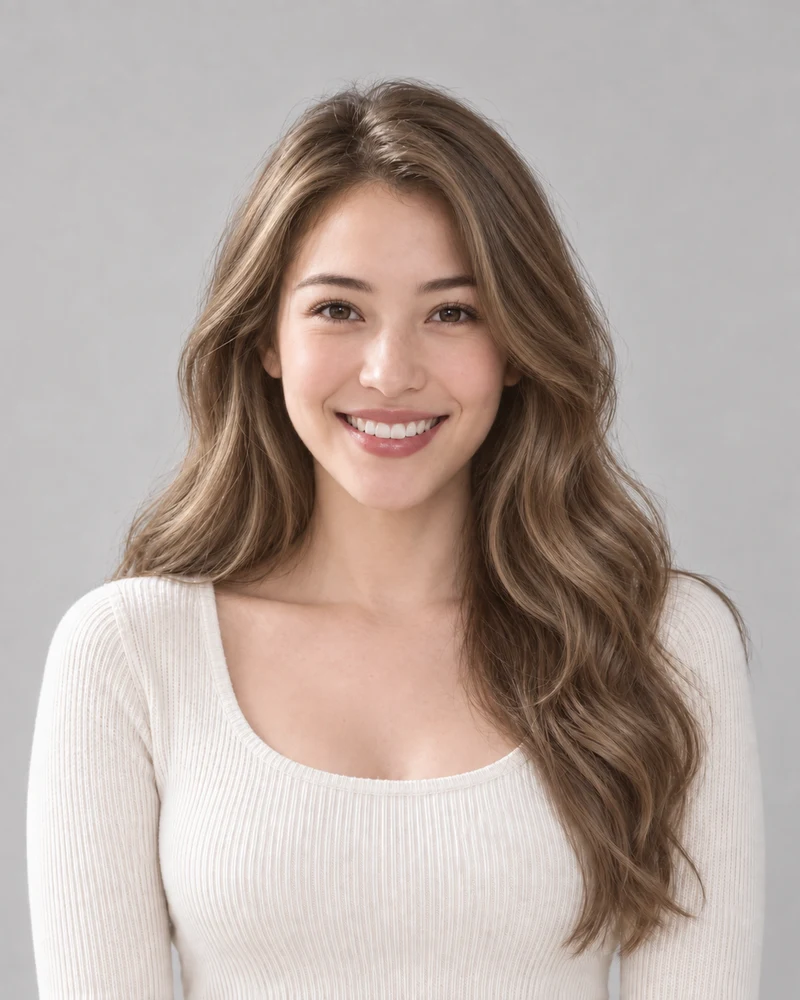
Same model, similar depth: warm, neutral and cool.

Tone

Hair Color Tone: Warm or Cool

Warm, neutral and cool tones can appear at similar depths. Compare the color reflected through the strands as well as the overall darkness.

  • Warm: gold, copper or red shows in the shine, especially in sunlight.
  • Cool: ash, beige or a hint of blue-violet, with no gold.
  • Neutral: neither gold nor ash, a balanced brown or beige.
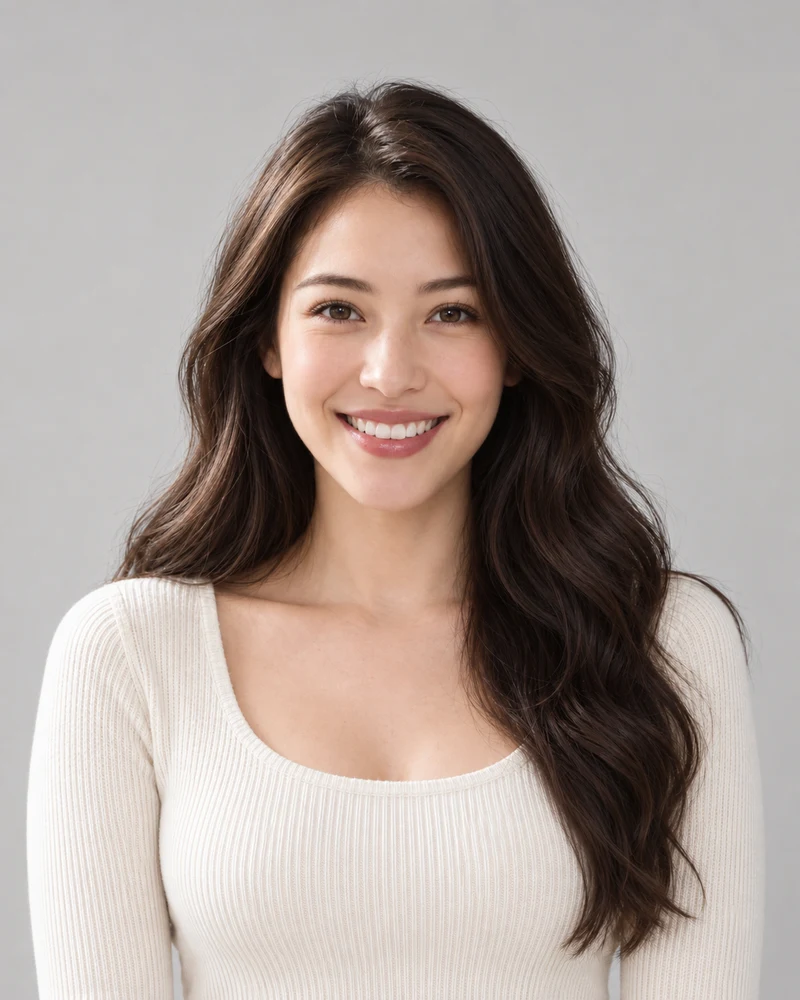
The example model: Natural color
Natural color
The example model: Balayage
Balayage
The example model: Shadow root
Shadow root
Same model: natural, balayage and a shadow root.

Natural or dyed

Natural or Dyed Hair Color

The reading looks for signs of how the color was made: one even shade, lighter pieces from mid-length, or a darker band at the roots. It describes what it can see, not your hair's history.

  • Highlights and balayage show as lighter pieces through the lengths.
  • A darker band at the scalp points to regrowth or a shadow root.
  • Very natural-looking color can pass as natural, so tell your colorist what you've had done.
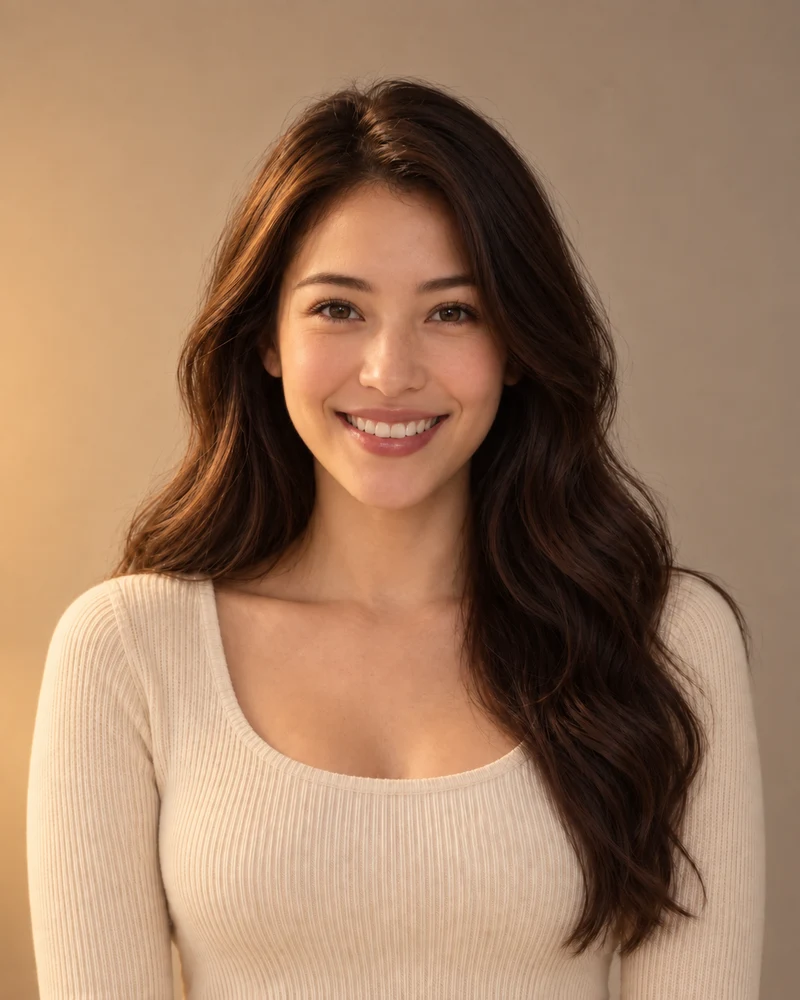
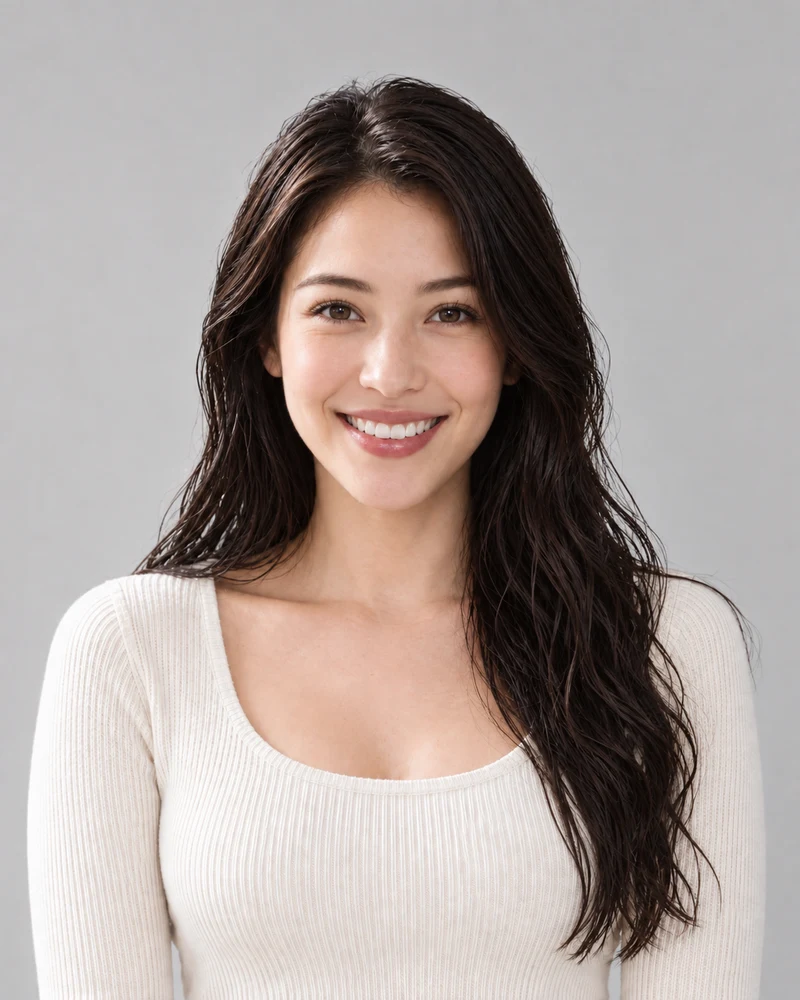
The example model: Daylight
Daylight
The example model: Warm indoor light
Warm indoor light
The example model: Wet hair
Wet hair
Same model: daylight, warm indoor light and wet hair.

Photo conditions

Daylight for a Hair Color Scan

Light and water change how hair looks in a photo, so they change the reading too. The same model in three conditions shows why a daylight photo of dry hair gives the most useful estimate.

  • Warm indoor bulbs push brown toward red or orange.
  • Wet hair can look darker; use dry hair for a more consistent comparison.
  • Beauty filters shift color and smooth out tone, so skip them.

How to Use the AI Hair Color Analysis

Three steps, then try a new shade on the same photo.

1

Upload a clear photo

A selfie in daylight with your hair down works best — or start with an example.

2

Read your color

See your level from 1 to 10, warm or cool, natural or dyed, and a note for your colorist.

3

Try a new shade

Pick a suggested shade and see it on the same photo — no second upload.

What Color Is My Hair FAQ

Answers to what people ask before they book a color appointment.

Upload a clear photo of your hair above, taken in daylight. You get a descriptive name for your color, its level from 1 to 10, whether it reads warm, cool or neutral, whether it looks natural or dyed, how much gray shows, and a note you can show your colorist.

Colorists grade depth from 1 (black) to 10 (lightest blonde): 2–3 are dark browns, 4–5 medium to light browns, 6–7 dark and medium blondes, and 8–10 light to platinum blondes. Your level tells you how far a new shade is — each level lighter usually takes more lightening.

Lighting is usually why. Warm indoor bulbs make brown look redder, shade makes it darker, and filters shift it again. Use a photo in soft daylight with no filter — and if two photos disagree, trust the one taken near a window.

It often can. It looks for signs like a single very even shade, a darker band at the roots, or lighter pieces that start mid-length, and names what it sees — all-over color, highlights, balayage, ombré or grown-out roots. Very natural-looking color can pass as natural, so tell your colorist what you've had done.

Look at the shine in daylight: gold, copper or red means warm; ash, beige or a hint of blue-violet means cool; neither means neutral. The reading gives you the tone directly, and the suggested next shades are chosen to suit it.

It estimates how much gray there is — a few strands, some, mostly or all — and where it shows most, such as the temples or the part. For mostly gray hair it skips the level number, since there's no single depth to measure.

After the reading, tap a suggested shade or “Try a new color on this photo”. Step 2 opens with your photo already loaded, so you only pick a shade and generate. Each suggestion shows how many levels lighter it is and roughly how many appointments that takes.

With a free account you can read up to 20 photos a day, and the examples work without one. Trying a new color on your photo uses credits, and new accounts get free credits to start.

Hair dye is a chemical process, and the right formula depends on your hair's history and condition, which a photo can't show. Instead you get your level, tone and a plain-language note to take to a colorist — the starting point they need.

The photo is resized in your browser and sent to the AI model that reads the color. If you then try a new color on it, that edit follows the hair color changer's terms.

Still have a question? Email us at support@haircolorchangeai.com.

Identify Your Hair Color from a Photo

Upload a photo for your level, tone and a colorist note, free with an account. Trying a new shade uses credits.